
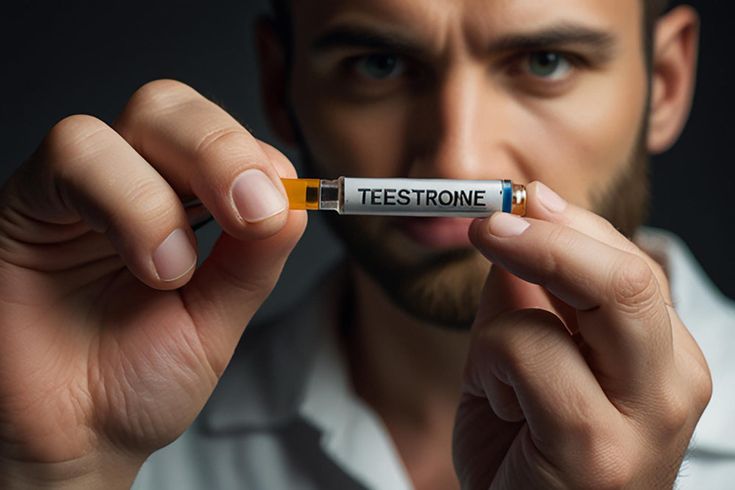
Testosterone Health Naturally: 2026 Guide for Men
Testosterone is more than just a hormone associated with muscle or masculinity. It plays a vital role in a man’s energy levels, mental clarity, metabolism, mood, libido, bone density, and overall confidence. In 2026, conversations around testosterone are shifting—from shortcuts and aggressive treatments to natural, sustainable hormone health.
Modern men are increasingly realizing that low testosterone is not always about age alone. Lifestyle choices, stress, sleep deprivation, poor diet, environmental toxins, and lack of recovery all quietly impact hormonal balance. The good news? Testosterone health can be supported naturally when the body is given the right conditions.
This comprehensive guide explains how testosterone works, why levels decline, and how men can support testosterone health naturally in 2026—without fear-based marketing or unrealistic promises.
Understanding Testosterone: What It Really Does in the Male Body
Testosterone is the primary male sex hormone produced mainly in the testes and regulated by the brain. While it is often associated with physical strength, its influence extends far beyond muscle growth.
Healthy testosterone levels support:
- Lean muscle maintenance
- Fat metabolism
- Red blood cell production
- Bone strength
- Cognitive sharpness
- Emotional stability
- Sexual health and fertility
Testosterone levels naturally fluctuate throughout the day and peak during early adulthood. However, modern lifestyle stressors have caused noticeable declines earlier than expected in many men.
Why Testosterone Levels Are Declining in Modern Men
Testosterone decline is no longer just an aging issue. Many men in their late 20s and 30s are experiencing symptoms traditionally associated with much older age.
Key contributors include:
Chronic Stress
Constant stress elevates cortisol, a hormone that directly suppresses testosterone production. Long work hours, financial pressure, and digital overload keep the body in a prolonged stress state.
Poor Sleep Quality
Testosterone is primarily produced during deep sleep. Consistently sleeping less than 6–7 hours disrupts hormone signaling and reduces daily testosterone output.
Sedentary Lifestyle
Lack of physical movement reduces insulin sensitivity and slows testosterone signaling. The modern desk-bound routine plays a significant role in hormonal imbalance.
Highly Processed Diets
Excess sugar, refined carbohydrates, and trans fats increase inflammation and insulin resistance, both of which interfere with hormone regulation.
Environmental Toxins
Exposure to endocrine disruptors found in plastics, pesticides, and personal care products can negatively affect testosterone synthesis.
Common Signs of Low Testosterone Men Often Ignore
Low testosterone does not appear overnight. It develops gradually, making it easy to dismiss early signs as stress or burnout.
Common symptoms include:
- Persistent fatigue despite rest
- Reduced motivation or drive
- Difficulty building or maintaining muscle
- Increased belly fat
- Brain fog and poor focus
- Low libido
- Mood swings or irritability
- Reduced confidence
Recognizing these signals early allows for lifestyle corrections before medical intervention becomes necessary.
Testosterone Health Naturally: 2026 Guide for Men (Core Philosophy)
The modern approach to testosterone health in 2026 focuses on restoring balance rather than forcing hormone levels. The body already knows how to produce testosterone efficiently when supported correctly.
Natural testosterone optimization prioritizes:
- Sleep and recovery
- Nutrient-dense eating
- Strength-based movement
- Stress regulation
- Long-term consistency
This approach supports overall health—not just hormone numbers.
Nutrition That Supports Testosterone Naturally
Food provides the building blocks for hormone production. Without proper nutrients, testosterone synthesis becomes inefficient.
Protein Intake
Adequate protein supports muscle mass and hormone signaling. Lean meats, eggs, fish, legumes, and dairy provide essential amino acids required for testosterone production.
Healthy Fats
Testosterone is synthesized from cholesterol. Diets too low in healthy fats may negatively affect hormone levels. Sources include olive oil, avocados, nuts, seeds, and fatty fish.
Key Micronutrients
Certain nutrients are critical for testosterone health:
- Zinc supports hormone production
- Magnesium improves free testosterone levels
- Vitamin D functions like a hormone itself
- Selenium supports reproductive health
Balanced nutrition is more effective than isolated supplementation.
The Role of Exercise in Testosterone Optimization
Movement is one of the most powerful natural testosterone boosters.
Strength Training
Resistance training stimulates testosterone release by engaging large muscle groups. Compound exercises such as squats, deadlifts, push-ups, and rows are especially effective.
Avoid Excessive Cardio
While moderate cardio supports heart health, excessive endurance training can elevate cortisol and suppress testosterone if recovery is inadequate.
Rest and Recovery
Overtraining reduces testosterone. Recovery days are not optional—they are essential for hormonal balance.
Sleep: The Most Underrated Testosterone Booster
Sleep is non-negotiable for testosterone health.
During deep sleep:
- Hormone pulses are released
- Tissue repair occurs
- Cortisol levels reset
Men who consistently sleep fewer than 6 hours experience measurable testosterone declines within weeks. Improving sleep quality often produces noticeable hormonal improvements faster than diet changes alone.
Stress Management and Hormonal Balance
Chronic stress disrupts testosterone by maintaining elevated cortisol levels. Learning to regulate stress is critical for hormone health.
Effective stress management strategies include:
- Breathwork
- Mindful movement
- Reduced screen exposure
- Nature exposure
- Structured daily routines
Lower stress improves not only testosterone but overall mental clarity and emotional resilience.
Body Fat, Insulin Resistance, and Testosterone
Excess body fat—especially abdominal fat—converts testosterone into estrogen through an enzyme called aromatase. This process reduces available testosterone and creates a hormonal imbalance.
Improving insulin sensitivity through balanced eating and movement helps:
- Reduce fat-related hormone conversion
- Improve testosterone availability
- Stabilize energy levels
Supplements: Helpful or Overhyped?
In 2026, supplement awareness is more refined. Supplements support testosterone only when deficiencies exist.
Commonly discussed supplements include:
- Vitamin D (when deficient)
- Zinc (for those with low intake)
- Magnesium
- Ashwagandha (for stress-related hormone suppression)
Supplements should complement—not replace—healthy lifestyle habits.
Alcohol, Smoking, and Testosterone Health
Excess alcohol consumption suppresses testosterone production and increases estrogen conversion. Smoking introduces toxins that damage hormone-regulating pathways.
Moderation or elimination of these habits significantly improves hormonal health over time.
Mental Health, Confidence, and Testosterone
Testosterone and mental health influence each other. Low testosterone can reduce confidence and motivation, while poor mental health increases cortisol and suppresses testosterone.
Supporting emotional well-being through routine, purpose, social connection, and physical activity creates a positive feedback loop for hormone health.
Aging and Testosterone: What’s Normal and What’s Not
Testosterone naturally declines with age, but severe drops are not inevitable. Many men maintain healthy levels well into their 50s and 60s through consistent lifestyle practices.
The goal is not youthful extremes—but functional vitality, energy, and strength.
Testosterone Health Naturally: 2026 Guide for Men (Modern Perspective)
In 2026, testosterone health is no longer about aggressive fixes or unrealistic expectations. It’s about long-term resilience, balanced living, and respecting the body’s natural rhythms.
Men who focus on sleep, strength, nourishment, stress control, and recovery often experience improvements not only in testosterone—but in confidence, focus, and overall quality of life.
FAQs
Can testosterone be increased naturally after 40?
Yes. Many men improve testosterone levels significantly through lifestyle changes alone.
How long does it take to see results naturally?
Most men notice improvements in energy and mood within 4–8 weeks of consistent habits.
Is testosterone therapy always necessary?
No. Therapy should be considered only after lifestyle factors are addressed.
Does lifting weights really help testosterone?
Yes. Strength training is one of the most effective natural stimulators.
Can stress alone lower testosterone?
Chronic stress is one of the strongest suppressors of testosterone production.
Final Thoughts
Testosterone health is not about shortcuts—it’s about alignment. When sleep, nutrition, movement, stress, and recovery work together, the body responds intelligently.
Testosterone Health Naturally: 2026 Guide for Men represents a shift toward informed, sustainable wellness—where strength, clarity, and vitality are built from within.
- Categories:
- Uncategorized