
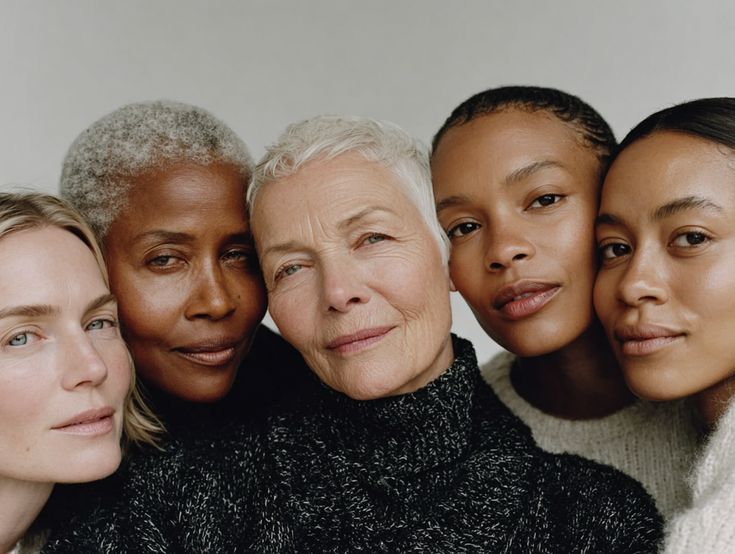
Menopause & Skin: How Hormonal Changes Affect Aging Skin
Menopause is a major life transition for women—physically, emotionally, and hormonally. While hot flashes, mood swings, and sleep disturbances are widely discussed, one of the most noticeable yet least prepared-for changes happens quietly in the mirror: skin aging accelerates.
For many women, menopause marks the first time they feel their skin has truly changed—becoming drier, thinner, more sensitive, and less resilient than before. Understanding why this happens is the first step toward caring for your skin with confidence and compassion rather than confusion or fear.
This guide explains how menopause affects skin, what changes are normal, and how to adapt skincare routines realistically—especially if skincare was never a priority before.
What Happens to Hormones During Menopause?
Menopause occurs when the ovaries significantly reduce the production of estrogen and progesterone. These hormones play a critical role in maintaining skin structure, hydration, and repair.
Key hormonal shifts include:
- A sharp decline in estrogen levels
- Reduced collagen production
- Slower cell turnover
- Increased inflammation and oxidative stress
These internal changes directly influence how skin looks, feels, and behaves.
Why Estrogen Is So Important for Skin Health
Estrogen is often called the “skin-protecting hormone” for good reason.
Estrogen supports:
- Collagen and elastin production
- Skin thickness and density
- Natural oil (sebum) production
- Moisture retention
- Wound healing and repair
When estrogen declines, skin loses many of its natural defense mechanisms.
Common Skin Changes Women Experience During Menopause
Not every woman experiences the same symptoms, but these changes are very common.
Increased Dryness and Dehydration
Menopausal skin often feels tight, flaky, or rough. This happens because oil production decreases, weakening the skin barrier and allowing moisture to escape more easily.
Loss of Firmness and Elasticity
Studies show women can lose up to 30% of collagen in the first five years after menopause, leading to sagging, fine lines, and a softer facial structure.
Thinning Skin
Skin becomes more fragile and prone to bruising or damage. This makes aggressive treatments or harsh products unsuitable for menopausal skin.
Heightened Sensitivity
Products that once worked well may suddenly cause irritation, redness, or stinging. The skin barrier becomes weaker, making skin more reactive.
Uneven Tone and Pigmentation
Hormonal changes can trigger age spots, melasma, or dullness, especially when combined with sun exposure.
Adult Acne or Breakouts
Fluctuating hormones may cause breakouts along the jawline or chin, even in women who never struggled with acne before.
The Science Behind Accelerated Skin Aging After Menopause
Skin aging occurs naturally with time, but menopause accelerates the process due to:
- Reduced collagen synthesis
- Slower skin renewal cycles
- Increased free radical damage
- Decreased blood flow to the skin
- Reduced ability to retain water
This is why skin changes can feel sudden and dramatic during this phase.
Menopause & Skin: How Hormonal Changes Affect Aging Skin (Explained Simply)
At its core, menopausal skin aging is not about neglect or genetics alone—it’s about biology. The skin is responding to internal hormonal shifts that reduce its ability to protect, repair, and regenerate itself.
Understanding this helps remove guilt or frustration and replaces it with informed self-care.
How to Build a Skincare Routine During Menopause (Even If You’re a Beginner)
The goal during menopause is support and protection, not aggressive correction.
1. Gentle Cleansing
Choose non-foaming, sulfate-free cleansers that clean without stripping natural oils.
2. Prioritize Hydration
Hydrating ingredients help replenish lost moisture:
- Hyaluronic acid
- Glycerin
- Panthenol
- Aloe vera
Apply on slightly damp skin for better absorption.
3. Strengthen the Skin Barrier
Barrier-repair ingredients are essential:
- Ceramides
- Cholesterol
- Fatty acids
- Squalane
A strong barrier reduces sensitivity and dryness.
4. Support Collagen Gently
Instead of harsh anti-aging products, opt for:
- Peptides
- Low-strength retinoids (used slowly)
- Bakuchiol (a gentler alternative)
5. Never Skip Sunscreen
UV exposure accelerates collagen loss dramatically during menopause. Use a broad-spectrum SPF daily—even indoors.
What Ingredients Work Best for Menopausal Skin?
Skin-Loving Ingredients to Look For
- Ceramides for barrier repair
- Peptides for firmness
- Niacinamide for resilience and tone
- Antioxidants (vitamin C, E) for protection
- Omega fatty acids for nourishment
Ingredients to Be Careful With
- Strong exfoliating acids
- High-percentage retinoids
- Alcohol-heavy formulations
- Fragrance in sensitive skin
Less is more during this phase.
Professional Skin Treatments That Can Help During Menopause
For women open to in-clinic care, non-invasive treatments can support aging skin safely.
Common dermatologist-approved options:
- Hydrating facials
- Mild chemical peels
- Microneedling (with caution)
- Radiofrequency treatments
- LED light therapy
Always consult a professional before starting treatments.
Lifestyle Factors That Strongly Impact Menopausal Skin
Skincare products alone cannot counteract internal changes.
Nutrition
- Protein supports collagen
- Omega-3s improve elasticity
- Antioxidants fight inflammation
Sleep
Poor sleep increases cortisol, worsening dryness and dullness.
Stress Management
Chronic stress worsens skin sensitivity and accelerates aging.
Hydration
Dehydration is more visible on menopausal skin than ever before.
Emotional Changes and Skin Confidence During Menopause
Many women feel disconnected from their appearance during menopause. Skin changes can affect confidence deeply—but they are not a reflection of worth or beauty loss.
Menopausal skincare is about care, comfort, and confidence, not reversing time.
Menopause & Skin: How Hormonal Changes Affect Aging Skin — A New Perspective
Instead of fighting these changes, the modern approach embraces gentle aging, prioritizing skin health over perfection. When skin feels comfortable, strong, and supported, it naturally looks healthier too.
FAQs: Menopause and Skin
Is it too late to start skincare during menopause?
No. Skin can improve at any age with consistent, supportive care.
Why does my skin suddenly feel sensitive?
A weakened skin barrier and lower estrogen levels increase reactivity.
Can skincare really help hormonal skin changes?
Yes—while it can’t change hormones, it can significantly improve comfort, hydration, and appearance.
How long does it take to see results?
Most women notice improvements in texture and hydration within 4–8 weeks of consistent care.
Do I need anti-aging products?
Focus on barrier repair and hydration first. Anti-aging comes second.
Final Thoughts
Menopause is not the end of good skin—it’s the beginning of a different kind of care. Understanding your skin’s changing needs allows you to respond with kindness, patience, and smarter choices.
With the right approach, menopausal skin can feel healthy, resilient, and radiant—just in a more mature, grounded way.
- Categories:
- Uncategorized