
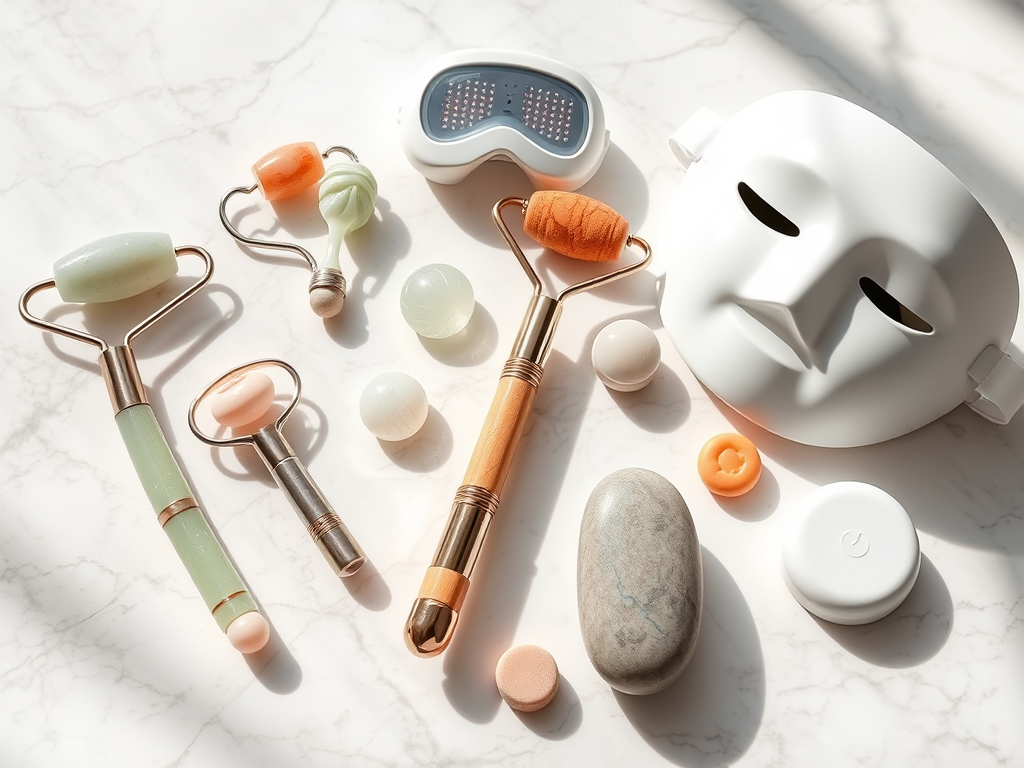
Do Facial Tools Really Work? The Science Behind the Skincare Craze
In a world where skincare has become a ritual of self-care and self-expression, facial tools have taken center stage — from jade rollers and gua sha stones to LED masks and microcurrent devices. They’re everywhere on social media, promising glowing skin, lifted contours, and improved blood circulation.
But as the skincare market grows increasingly saturated, a question arises: Do facial tools really work? Or are they just beautifully packaged accessories for our vanities?
Let’s dive into the science behind the skincare craze, explore how these tools actually affect your skin, and understand which ingredients make them more effective.
The Rise of the Facial Tool Revolution
The modern obsession with facial tools didn’t happen overnight. In fact, it’s rooted in centuries of beauty rituals.
Ancient Chinese beauty techniques used jade and rose quartz tools to promote circulation and lymphatic drainage. Fast-forward to 2025, and those same principles are now backed by science — only with more advanced technology and materials.
Social media, especially platforms like Instagram and TikTok, amplified this trend. Skincare enthusiasts began showcasing morning routines that looked more like spa treatments. Whether it’s the soothing glide of a gua sha stone or the futuristic glow of an LED mask, these tools became symbols of mindful skincare and luxury.
But are they more than just a passing trend? Let’s separate the science from the hype.
How Facial Tools Actually Work
The human face is composed of muscles, connective tissues, and a network of blood and lymphatic vessels. Over time, poor circulation, muscle tension, and toxin buildup can make skin appear dull or puffy. Facial tools aim to target these exact issues.
Here’s how they function scientifically:
- Lymphatic Drainage: Tools like jade rollers and gua sha promote lymph flow, helping to reduce puffiness and fluid retention.
- Increased Blood Circulation: Massaging tools stimulate microcirculation, bringing oxygen and nutrients to the skin surface.
- Muscle Stimulation: Devices like microcurrent tools and facial toners send low-level electrical currents that mimic the body’s natural signals, toning facial muscles.
- Product Absorption: Using tools over serums or oils helps enhance penetration, allowing ingredients to work more effectively.
Simply put — when used correctly and consistently, facial tools can be effective in improving skin tone, firmness, and texture. The results, however, depend on the type of tool, the technique, and the ingredients used alongside it.
The Most Popular Facial Tools — Explained Scientifically
Let’s break down the most popular tools and uncover what really makes them work.
1. Jade Roller – Cooling Circulation Booster

The jade roller is one of the most loved (and photographed) skincare tools. It’s typically used to roll gently over the face to reduce puffiness, boost circulation, and calm the skin.
Science Behind It:
Rolling the tool across your skin triggers lymphatic drainage and encourages oxygen flow. The natural coolness of jade constricts blood vessels, reducing redness and inflammation.
Best Ingredients to Pair:
Use it after applying hyaluronic acid serums, vitamin C serum, or light facial oils. These ingredients hydrate and brighten while the rolling motion ensures deeper absorption.
Best Way to Use:
- Always start from the center of your face and roll outward.
- Keep the roller in the refrigerator for extra cooling benefits.
- Use light pressure — too much can cause irritation.
2. Gua Sha – Sculpting and Lifting Tool

Gua sha, another tool rooted in traditional Chinese medicine, is used to “scrape” the skin gently. It’s known for lifting, contouring, and improving circulation.
Science Behind It:
When done correctly, gua sha stimulates the skin’s deeper layers, enhancing blood flow and releasing muscle tension. Studies have shown it helps with collagen production and lymphatic drainage.
Best Ingredients to Pair:
Apply facial oils rich in rosehip, squalane, or jojoba before using the tool. These ingredients provide slip and nourishment, preventing friction that can damage the skin barrier.
Best Way to Use:
- Hold the gua sha at a 15-degree angle.
- Glide upward and outward in gentle strokes.
- Use it 3–4 times a week for visible results in skin tone and texture.
3. Ice Globes – Cooling & De-Puffing Marvel

Ice globes, often made of glass or stainless steel, are chilled tools designed to calm inflamed skin and tighten pores.
Science Behind It:
Cold therapy constricts blood vessels and reduces inflammation. It’s excellent for soothing post-treatment redness or calming acne-prone skin. The temperature contrast also stimulates blood circulation once the skin warms back up.
Best Ingredients to Pair:
Use soothing serums or aloe-based gels. Ingredients like niacinamide and green tea extract complement the cooling action and help reduce redness.
Best Way to Use:
- Chill the globes for 10–15 minutes before use (avoid freezing).
- Glide them upward and outward on your face.
- Perfect for morning puffiness or post-sun exposure.
4. Derma Roller – The Micro-Needling Miracle

Derma rolling involves tiny needles that create micro-injuries on the skin’s surface to stimulate collagen and elastin production.
Science Behind It:
This technique triggers the skin’s healing process, improving texture, minimizing fine lines, and fading acne scars. It’s one of the few tools with solid clinical backing for long-term results.
Best Ingredients to Pair:
Use hyaluronic acid, peptides, or growth-factor serums post-rolling for hydration and recovery. Avoid acids or retinoids immediately after treatment.
Best Way to Use:
- Disinfect the roller before and after each use.
- Use light pressure and roll horizontally, vertically, and diagonally.
- Limit use to once every 1–2 weeks.
5. LED Light Therapy Mask – The Futuristic Glow Enhancer

LED therapy masks look straight out of a sci-fi movie, but their science is legitimate. These masks use different light wavelengths to treat various skin issues.
Science Behind It:
- Red Light: Boosts collagen and reduces wrinkles.
- Blue Light: Kills acne-causing bacteria.
- Yellow Light: Improves skin radiance and evens tone.
NASA originally studied LED light therapy for wound healing — and now it’s a cornerstone in dermatology.
Best Ingredients to Pair:
Use antioxidant serums, niacinamide, or peptide creams post-therapy to lock in results.
Best Way to Use:
- Use 2–3 times per week for 10–15 minutes.
- Clean your mask regularly to avoid bacteria buildup.
6. Microcurrent Device – Non-Invasive Face Lifting

Science Behind It:
They mimic the body’s natural electrical activity, re-energizing cells and improving muscle tone. Regular use can enhance firmness and contour definition.
Best Ingredients to Pair:
Apply conductive gels or aloe vera-based serums before use to help currents travel smoothly and prevent irritation.
Best Way to Use:
- Glide upward and outward along cheekbones, jawline, and forehead.
- Use 3–5 times per week for visible results.
The Benefits of Using Facial Tools Consistently
When incorporated mindfully, facial tools can:
- Improve lymphatic drainage and reduce puffiness.
- Boost blood circulation for a natural glow.
- Support collagen production and elasticity.
- Enhance absorption of active skincare ingredients.
- Provide a calming, spa-like experience that reduces stress.
However, consistency and correct usage matter more than frequency. Overusing tools or applying too much pressure can damage the skin barrier and lead to irritation.
Common Mistakes People Make with Facial Tools
Even the best tools can be ineffective (or harmful) if used incorrectly. Here are some common mistakes to avoid:
- Using tools on dry skin without oil or serum.
- Applying too much pressure, especially with gua sha or derma rollers.
- Ignoring sanitization — tools must be cleaned regularly.
- Expecting instant results; benefits appear with consistent use over weeks.
The Science-Backed Verdict: Do Facial Tools Really Work?
Yes — facial tools do work, but with conditions. They enhance skin’s appearance by improving circulation, drainage, and muscle tone. However, they don’t replace a solid skincare routine, balanced diet, or sun protection.
Think of them as enhancers — not miracle workers. A jade roller won’t erase wrinkles overnight, but it can make your skin look fresher and healthier with time.
Science supports their efficacy in stimulating blood flow and reducing puffiness, but long-term anti-aging effects depend on how consistently and correctly they’re used.
How to Build a Balanced Skincare Routine with Facial Tools
To maximize benefits:
- Cleanse thoroughly before using any tool.
- Apply a serum or oil to create glide.
- Use your tool of choice (gua sha, roller, or device).
- Follow with moisturizer and SPF if it’s daytime.
For nighttime use, end with hydrating ingredients like ceramides and squalane to lock in moisture.
The Emotional Side of Facial Tools — Self-Care Meets Science
Beyond skincare, facial tools tap into the emotional side of beauty. The ritual of massaging your face daily creates mindfulness, improves mood, and promotes a sense of calm.
In an era of fast-paced living, these moments of touch and stillness are more than vanity — they’re acts of self-connection.
Final Thoughts: The Future of Facial Tools
As technology continues to blend with skincare, the future of facial tools lies in smart beauty devices that personalize treatments based on skin condition, temperature, and hydration levels.
But no matter how advanced tools become, the foundation remains the same — healthy skin starts with consistent care, gentle touch, and the right ingredients.
So yes, facial tools are more than a trend — they’re a part of the modern skincare philosophy that celebrates both science and self-love.
- Categories:
- Skin Care