
The Future of Fashion Retail: Will Physical Stores Survive?
Introduction
Fashion retail has always been an industry that thrives on change. From Parisian couture houses in the early 1900s to fast fashion giants of the 2000s, every era has transformed how people shop for clothes. But in today’s world, a major question looms large: The Future of Fashion Retail: Will Physical Stores Survive?
With the rapid rise of e-commerce, AI-driven styling apps, and the explosion of digital shopping experiences, physical stores seem to be losing ground. Yet, at the same time, luxury boutiques, concept stores, and flagship fashion houses continue to attract customers who crave the tangible experience of trying clothes on, feeling fabrics, and immersing themselves in a brand’s identity.
The future of fashion retail isn’t about one channel replacing another. It’s about the balance of physical and digital experiences—and how brands adapt to a hybrid consumer world. This blog explores the future of fashion retail, the survival of physical stores, and the strategies that may redefine the shopping experience in the next decade.
The Rise of E-Commerce and Digital Shopping
Over the past decade, online shopping has revolutionized fashion retail. With platforms like Amazon, ASOS, Myntra, and Farfetch offering convenience and variety, consumers can browse collections, compare prices, and buy products from anywhere in the world within seconds.
The surge of e-commerce is driven by several factors:
- Convenience: Shoppers can skip crowded malls and shop anytime, anywhere.
- Personalization: AI-driven algorithms recommend products tailored to individual tastes.
- Global Access: Consumers can purchase international brands previously unavailable locally.
- Speed: Same-day or next-day deliveries are becoming standard.
Fashion e-commerce also embraces AR (Augmented Reality) try-ons and AI-powered size guides to reduce return rates. For example, Warby Parker allows customers to try on glasses virtually, and Adidas uses AR to show sneakers on your feet through your phone camera.
Despite its dominance, online shopping has its drawbacks—sizing issues, lack of tactile experience, and high return rates. These gaps leave room for physical stores to remain relevant, especially as experience centers where customers can interact with products in person.
The Evolution of Fashion Retail
Fashion retail has evolved with culture, technology, and consumer needs.
- Department Stores and Malls: Became social hubs in the 20th century, offering variety and convenience.
- Fast Fashion Takeover: Brands like Zara and H&M made trends affordable and frequent, changing buying habits.
- E-Commerce Revolution: Platforms like Amazon Fashion and ASOS transformed shopping into a digital-first experience.
- Post-Pandemic Shift: COVID-19 accelerated AR try-ons, virtual stores, and same-day delivery.
This progression raises the question: are physical stores fading away, or just evolving?
Why Consumers Still Value Physical Stores
Even in the digital-first era, physical stores continue to attract shoppers because they offer what online cannot:
- Tactile Experience: The ability to touch, feel, and try products before purchase.
- Instant Gratification: No waiting for shipping or dealing with returns.
- Emotional Connection: Immersive store designs create strong brand experiences.
- Personal Assistance: Stylists and associates give tailored advice.
- Community Vibes: Events, launches, and lifestyle experiences make stores cultural spaces.
Shopping is not always transactional—it’s experiential, and that’s where physical stores shine.
The Importance of Physical Stores in Fashion
The question isn’t whether physical stores will survive, but rather how they will transform. Unlike e-commerce, physical retail offers sensory and emotional experiences. Touching fabrics, trying on clothes, and instantly walking out with purchases create a satisfaction that digital platforms can’t replicate.
Fashion is not just about buying clothes—it’s about identity, confidence, and lifestyle. A store visit can feel like a mini-event, something that engages emotions in a way online shopping doesn’t. This is why major brands continue to invest in flagship stores.
Examples include:
- Nike’s House of Innovation in New York — offers personalized shoe customization, interactive zones, and even basketball courts for testing sneakers.
- Lululemon — integrates yoga classes into their stores, creating lifestyle hubs rather than just sales points.
- Chanel & Dior boutiques — turn shopping into an immersive luxury experience with architecture, music, and customer service that highlight brand heritage.
Physical stores are evolving into storytelling platforms, helping brands connect with customers beyond transactions.
Technology is Reshaping Retail
Technology is no longer an accessory to fashion—it’s at the core of retail transformation. From AI to VR, the future store experience will be more interactive, personalized, and efficient.
Key innovations include:
- Smart Mirrors: Allow customers to try on outfits virtually and see different colors or sizes without physically changing.
- AI Stylists: Recommend outfits based on body shape, skin tone, and personal preferences.
- Mobile Checkout: Contactless shopping experiences reduce queues and waiting times.
- Virtual Fashion Shows: Brands like Balenciaga and Dolce & Gabbana are experimenting with metaverse fashion presentations.
- Digital Fashion for Avatars: Gucci has sold digital sneakers exclusively for online wear in gaming platforms.
Technology doesn’t eliminate the need for physical stores but enhances them. For example, Zara integrates online and offline shopping by letting customers check in-store product availability via app before visiting.
In the coming years, metaverse fashion retail will blur the lines further. Customers might browse collections in VR showrooms, try on clothes virtually, and then purchase them physically.
Sustainability: The New Driving Force
Consumers today are increasingly conscious of ethical fashion. Issues like overproduction, textile waste, and unfair labor practices are pushing brands to adopt sustainable models. This shift has major implications for retail spaces.
Physical stores are being reimagined as eco-conscious spaces where sustainability takes center stage:
- Recycling Initiatives: H&M and Levi’s encourage customers to return old clothes for recycling.
- Repair Corners: Patagonia offers in-store clothing repair services to promote longevity.
- Sustainable Materials: Stella McCartney experiments with mushroom leather and plant-based fabrics.
- Eco-Friendly Store Design: Brands are designing stores with recycled materials, renewable energy, and reduced plastic packaging.
Sustainability is not just a trend—it’s a survival strategy. Consumers want transparency, and physical stores provide the opportunity to showcase a brand’s ethical practices directly.
Why Experience is the New Currency in Retail
In the future, physical stores won’t just be about selling—they’ll be about creating memories. Experience is becoming the new currency of retail.
Imagine walking into a store where:
- Smart mirrors recommend full looks based on your selected outfit.
- Cafés and lounges offer lifestyle immersion while you shop.
- Live workshops teach you about garment care or styling.
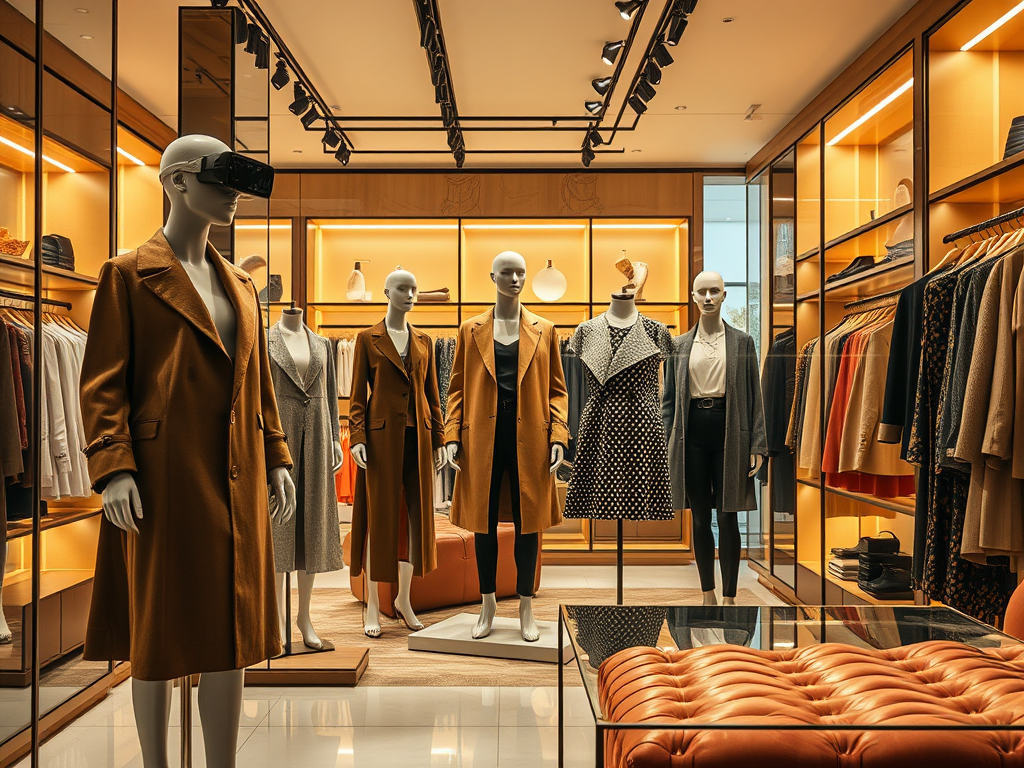
- VR stations allow you to visualize how your outfit looks in different settings (a party, a beach, a boardroom).
These experiences transform shopping from a chore into an event. This is why malls and boutiques are shifting toward phygital retail—the blending of physical and digital.
The Future of Fashion Retail: A Hybrid Model
So, will physical stores survive? The answer is yes—but only if they adapt.
The future lies in hybrid retail, where physical and digital channels complement each other. Here’s what that looks like:
- Omnichannel Shopping: Customers browse online, try in-store, and purchase through apps.
- Click-and-Collect Services: Order online, pick up in-store for convenience.
- Personalized Retailing: AI suggests outfits, but in-store stylists offer human connection.
- Community Hubs: Stores become gathering places with events, classes, and brand experiences.
In this hybrid model, digital dominates convenience, while physical excels in experience and trust. The brands that merge both seamlessly will define the future of fashion retail.
Conclusion
The fashion industry is at a crossroads, and the future of fashion retail is not about one side winning over the other—it’s about integration. Physical stores will not vanish; they will reinvent themselves into experience centers, sustainability hubs, and lifestyle spaces. Meanwhile, e-commerce will continue to dominate speed, accessibility, and personalization.
The ultimate winners will be the brands that understand consumer needs, leverage technology wisely, and create unforgettable experiences both online and offline. So, when we ask “Will physical stores survive?”—the real answer is: they won’t just survive, they will thrive, but in a new, reimagined form.
- Categories:
- Lifestyle