
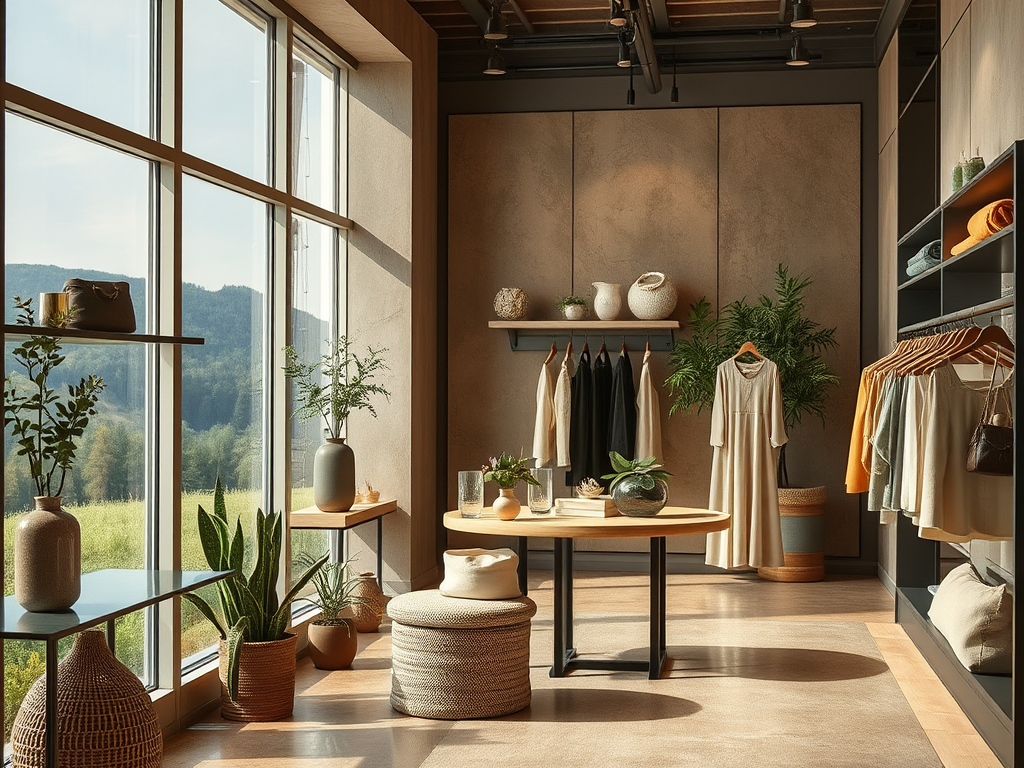
How Sustainability Is Becoming the New Face of Luxury
Luxury has always been synonymous with exclusivity, craftsmanship, and indulgence. But in 2025, a paradigm shift is reshaping the definition of luxury. Today’s discerning consumers are not just buying products; they’re investing in purpose-driven experiences and eco-conscious brands that align with their values.
High-net-worth individuals are leading a movement where sustainability meets sophistication, creating a new benchmark for what it means to live luxuriously. From ethical fashion and clean beauty to eco-conscious travel and sustainable architecture, how sustainability is becoming the new face of luxury reflects a growing demand for responsible opulence.
we’ll explore how sustainable practices are transforming luxury industries, why eco-luxury is booming, and the future of conscious indulgence in 2025 and beyond.
The Changing Definition of Luxury
For decades, luxury was defined by scarcity, craftsmanship, and price tags. But today’s elite consumers — especially Gen Z and Millennials — are reshaping the market. They crave meaningful ownership over mindless consumption.
Key Shifts Driving Sustainable Luxury
- Value Over Volume → Fewer but better purchases
- Transparency Over Status → Brands now showcase ethical sourcing and supply chain practices
- Purpose Over Prestige → Consumers want brands that stand for something bigger
- Experience Over Possession → Wellness retreats, eco-luxury travel, and personalized sustainability experiences are trending
Luxury is no longer about owning the most — it’s about owning what matters.
Why Sustainability Matters in Luxury
1. A Conscious Consumer Base
According to McKinsey’s 2025 insights, 67% of luxury consumers now factor sustainability into purchasing decisions. People want eco-friendly products that don’t compromise on quality or aesthetics.
2. Rising Environmental Awareness
With climate change dominating global conversations, affluent buyers are investing in products and experiences that reduce environmental impact.
3. Brand Reputation & Loyalty
Luxury brands adopting sustainable practices are gaining stronger consumer trust. In contrast, brands ignoring sustainability risk becoming irrelevant.
Sustainable Luxury in Fashion

The luxury fashion industry has undergone a massive transformation in the last decade. Shoppers are increasingly demanding eco-friendly fabrics, ethical production, and timeless pieces that last.
Key Trends in Sustainable Luxury Fashion
- Eco-Friendly Materials → Organic cotton, Tencel, hemp, recycled fabrics
- Slow Fashion Movement → Focus on timeless silhouettes over seasonal fast fashion
- Circular Luxury → Pre-owned designer pieces, resale platforms, and upcycling initiatives
- Luxury Collaborations → Brands partnering with eco-tech companies for zero-waste collections
Examples of Brands Leading the Shift:
- Stella McCartney → Pioneer in vegan leather and eco-conscious materials
- Gucci Off the Grid → A line using recycled nylon and organic fabrics
- Hermès → Investing in mushroom-based vegan leather alternatives
- Louis Vuitton → Incorporating eco-design principles in packaging and products
Luxury Beauty Goes Green
In 2025, luxury beauty is redefining indulgence with clean formulations, sustainable packaging, and ethically sourced ingredients.
Emerging Trends in Luxury Sustainable Beauty
- Refillable Packaging → Brands like Dior and YSL now offer luxury refills for perfumes and lipsticks
- Eco-Luxe Skincare → High-performance products using botanical extracts and biotechnology
- Cruelty-Free & Vegan Beauty → A growing demand for animal-friendly luxury
- Transparency in Ingredients → Shoppers now want to trace every ingredient’s origin
Brands Setting the Benchmark:
- La Mer → Investing in ocean-friendly sourcing practices
- Chanel N°1 → Focuses on eco-formulas and recyclable packaging
- Aveda → 100% vegan and powered by renewable energy
- Rituals → Combines luxury wellness with sustainable living
Eco-Luxury Travel & Wellness

Luxury travelers in 2025 aren’t just seeking five-star resorts — they want meaningful escapes that also protect the planet.
Trends in Sustainable Luxury Travel
- Eco-Conscious Resorts → Properties integrating solar energy, organic farms, and zero-waste architecture
- Exclusive Wellness Retreats → Resorts that blend sustainable luxury with mindful living
- Slow Travel Experiences → Fewer destinations, longer stays, deeper connections
- Carbon-Neutral Flights → Private jet services adopting green aviation practices
Examples of Luxe Eco-Retreats:
- Six Senses Resorts → Champions eco-luxury hospitality worldwide
- Soneva Fushi, Maldives → 100% carbon-neutral barefoot luxury
- Ananda in the Himalayas → Ayurveda-based sustainable wellness
- The Brando, Tahiti → Powered entirely by renewable energy systems
Sustainable Architecture & Luxury Living
Luxury homes are evolving into eco-smart sanctuaries where technology meets sustainability.
Trends in Sustainable Luxury Living
- Net-Zero Homes → Energy-efficient properties using solar power and water recycling
- Biophilic Designs → Integrating natural elements for wellness
- Smart Green Homes → AI-driven systems for energy optimization
- Luxury Vertical Gardens → Indoor forests and green walls redefining opulence
Affluent homeowners now see eco-friendly living spaces as status symbols, making sustainability synonymous with prestige.
How Brands Are Rebranding Luxury Through Sustainability
Luxury brands are reimagining their narratives and strategies to cater to eco-conscious audiences:
- Luxury Marketing With Purpose → Storytelling around heritage + responsibility
- Sustainable Supply Chains → Full transparency on sourcing and production
- Limited-Edition Eco Collections → Exclusive, rare, and environmentally conscious pieces
- Green Certifications → Validating sustainability claims to build trust and credibility
The Role of Technology in Eco-Luxury
Technology is revolutionizing sustainable luxury experiences:
- Blockchain Transparency → Traceability of luxury goods from farm to boutique
- AI-Driven Design → Minimizing material waste during production
- 3D Printing → Creating eco-conscious luxury accessories
- Virtual Luxury Fashion Shows → Reducing environmental impact without compromising glamour
Why Sustainable Luxury Appeals to the Next Generation
Millennials and Gen Z are driving this transformation:
- 65% of Gen Z luxury buyers say sustainability is a deal-breaker
- They prefer brands with purpose over brands with prestige
- Their shopping behavior leans toward investment pieces that last rather than seasonal splurges
For this new wave of consumers, luxury without responsibility is outdated.
The Future of Luxury Is Green

By 2030, the luxury industry is projected to be carbon-neutral in several segments. The trend of eco-luxury is expected to dominate across:
- Fashion → Closed-loop supply chains and biodegradable materials
- Beauty → Lab-grown ingredients and refillable ecosystems
- Travel → Electric yachts, private sustainable islands, and eco-luxe glamping
- Architecture → Luxury green living combined with AI-powered energy solutions
Luxury is becoming less about owning more and more about owning responsibly.
Final Thoughts
In 2025, how sustainability is becoming the new face of luxury represents a cultural revolution in consumer behavior. Luxury brands are rewriting their DNA to align with ethical values, environmental consciousness, and long-term impact.
From eco-luxury resorts to refillable designer skincare and AI-driven green architecture, sustainable luxury isn’t just a trend — it’s the future of indulgence.
The new mantra of luxury is simple yet powerful:
“If it isn’t sustainable, it isn’t truly luxurious.”
- Categories:
- Lifestyle