
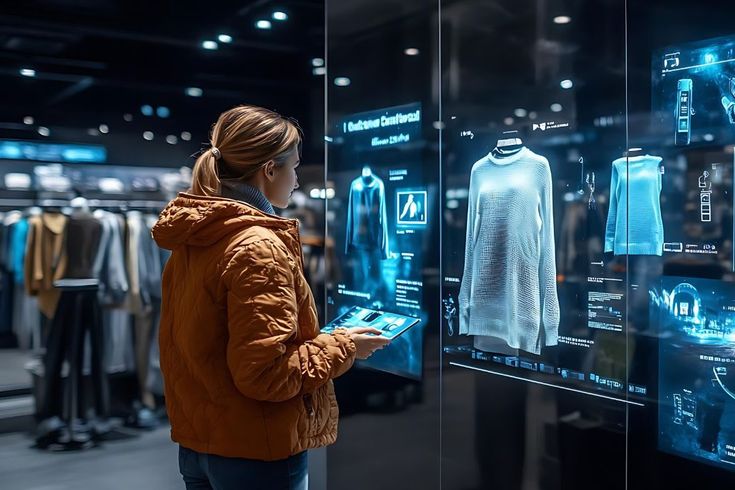
How AI and Blockchain Are Driving Transparency in the Fashion Industry
The global fashion industry has long been admired for its creativity, aesthetics, and innovation. However, behind the glitz and glamour lies a deeply complex supply chain, often criticized for its lack of transparency. Consumers today are no longer satisfied with simply purchasing trendy clothing; they want to know where their clothes come from, how they are made, and whether the brands they support are ethical and sustainable. This growing demand for transparency has pushed the industry toward technological solutions — and two innovations stand at the forefront: Artificial Intelligence (AI) and Blockchain.
In recent years, AI and blockchain have emerged as game-changers in reshaping how brands operate, communicate, and build trust with their consumers. From tracking garments across the supply chain to predicting demand and detecting counterfeit products, these technologies are revolutionizing the way we engage with fashion. Let’s dive deeper into how AI and blockchain are driving transparency in the fashion industry and shaping a more ethical, sustainable, and consumer-friendly future.
1. The Growing Demand for Transparency in Fashion
Fashion has always been a dynamic and fast-evolving sector, but today’s consumers are far more conscious about sustainability, ethical sourcing, and fair labor practices. Reports indicate that more than 70% of shoppers want brands to provide details about product sourcing and manufacturing. However, traditional fashion supply chains are highly fragmented, making it difficult to trace every stage of a garment’s journey.
This growing awareness has created a significant trust gap between brands and consumers. To bridge this gap, fashion labels are now embracing advanced technologies to deliver end-to-end visibility into their processes. AI and blockchain, when integrated effectively, provide unmatched transparency and authenticity, giving buyers confidence that their clothing is ethically and sustainably produced.
2. The Role of AI in Making Fashion Transparent
AI is reshaping the fashion industry in remarkable ways, especially when it comes to predictive analytics, product authenticity, and consumer trust. Here’s how AI contributes:
a) Predictive Analytics for Sustainable Production
AI-powered algorithms analyze real-time data on consumer preferences, seasonal trends, and inventory levels. By predicting demand accurately, brands can avoid overproduction, reduce textile waste, and align with sustainability goals.
b) Detecting Counterfeit Products
Counterfeit fashion products are a $600 billion global problem. AI-driven image recognition systems can scan and compare details like stitching patterns, labels, and fabric textures to identify fake products instantly, ensuring authenticity for consumers.
c) Enhancing Supply Chain Visibility
AI uses advanced tracking systems and IoT (Internet of Things) sensors to monitor raw materials, production stages, and shipping. This helps brands pinpoint bottlenecks and optimize logistics, ensuring full transparency from factory to store.
d) Personalized Consumer Experience
Transparency is not just about ethics; it’s also about communication. AI-driven chatbots and recommendation engines provide buyers with personalized insights — from explaining product origins to suggesting eco-friendly alternatives.
3. Blockchain’s Role in Fashion Transparency
While AI handles analytics and decision-making, blockchain ensures trust and authenticity through secure, tamper-proof data storage. Think of blockchain as a digital ledger where every transaction and movement of a product is recorded and cannot be altered.
a) Traceability from Source to Store
Blockchain allows every stakeholder — from cotton farmers to garment manufacturers to retailers — to record their input in a shared ledger. This means consumers can scan a QR code and instantly know where their outfit was made, who made it, and under what conditions.
b) Fighting Fast Fashion’s Hidden Costs
Fast fashion brands have been criticized for exploitative labor practices and environmental damage. Blockchain empowers consumers to verify certifications, ensuring that brands claiming to be ethical and sustainable actually deliver on those promises.
c) Ensuring Product Authenticity
High-end luxury brands face major issues with counterfeit products. By embedding blockchain-enabled smart tags or NFT-based certificates of authenticity, brands can guarantee originality and protect their brand image.
4. AI + Blockchain: A Powerful Combination
AI and blockchain are not standalone solutions — together, they create a synergistic ecosystem that revolutionizes transparency:
- AI predicts demand → reduces unnecessary production.
- Blockchain records every stage → ensures traceability.
- AI detects fakes → blockchain certifies authenticity.
- AI-driven chatbots → blockchain provides verifiable data to consumers.
This combined approach enables fashion brands to build consumer trust, cut waste, and future-proof their operations.
5. How Brands Are Using AI and Blockchain Successfully
Several global fashion leaders are already harnessing these technologies:
- H&M: Uses AI to analyze fashion trends and optimize stock levels while exploring blockchain for tracing sustainable materials.
- Gucci: Introduced blockchain-based authentication tags for its luxury handbags and sneakers.
- Prada: Uses blockchain to guarantee originality and combat counterfeiting.
- Savana: An emerging brand leveraging AI-powered sustainability insights and blockchain-led transparency to appeal to eco-conscious travelers and shoppers.
6. Benefits for Consumers and the Industry
By driving transparency, AI and blockchain deliver advantages for both buyers and brands:
For Consumers
- Easy access to product sourcing details.
- Verified information on sustainability and ethical practices.
- Assurance of authenticity when purchasing luxury goods.
For Brands
- Strengthened consumer trust and loyalty.
- Reduced counterfeit-related losses.
- Data-driven decision-making for sustainable production.
7. Challenges and Future Scope
While promising, adopting AI and blockchain in the fashion industry comes with its challenges:
- High implementation costs for smaller brands.
- Integration complexities across global supply chains.
- Data privacy concerns when tracking consumer purchases.
However, as technology advances and consumer demand for transparency grows, these barriers will gradually diminish. By 2030, experts predict blockchain-driven transparency will become a standard, not a choice.
Final Thoughts
Fashion is no longer just about looking good — it’s about doing good. Consumers want to support brands that respect people, the planet, and ethical values. AI and blockchain are driving transparency in the fashion industry by reshaping supply chains, protecting authenticity, and empowering shoppers to make informed choices.
The brands that embrace these technologies today will not only stay competitive but also earn the trust of the next generation of conscious consumers. The future of fashion is not only stylish — it’s transparent, ethical, and tech-driven.
- Categories:
- Lifestyle