
The Rise of Fast Fashion: How Brands Are Shortening Trend Cycles
Introduction: The Age of Instant Style
Fashion has always been about evolution. Trends that once took decades to change now shift in a matter of months—or even weeks. The phenomenon of fast fashion has transformed the way people buy, wear, and dispose of clothing. In the past, fashion houses operated on two main seasons—spring/summer and autumn/winter—but today, fast fashion brands have compressed that calendar to produce multiple “micro-seasons” every year.
This acceleration in trend cycles means a new jacket you buy in March might feel outdated by May, not because it’s worn out, but because the industry has moved on to the next big thing. The rise of fast fashion has turned style into a high-speed race, where brands compete to spot trends early, mass-produce them, and get them into stores (or online carts) before the next style wave hits.
But what exactly fuels this rapid turnover? How do brands identify trends so quickly? And what does it mean for consumers, the environment, and the future of fashion? Let’s explore the forces that have shortened trend cycles and made instant style the norm.
The Shift from Seasonal Fashion to Micro-Trends
Traditionally, fashion was dictated by a slow rhythm. Designers presented collections months in advance, and magazines curated seasonal must-haves. But in the last two decades, this rhythm has been completely rewritten.
Micro-trends—short-lived style moments that might only be relevant for a few weeks—now dominate the fashion conversation. Social media, celebrity culture, and influencer marketing create instant demand for specific items, whether it’s a certain style of jeans, a handbag, or even a color. Fast fashion brands thrive on this phenomenon because they can quickly replicate these trends and put them on shelves within days.
For example, a look worn by a celebrity on a Monday might inspire a global clothing chain to have a similar version ready for purchase within the same week. This constant churn has blurred the lines between “in style” and “out of style,” making fashion feel more fleeting than ever.

How Fast Fashion Brands Spot Trends Early
The speed of the trend cycle isn’t just about manufacturing—it begins with observation. Brands invest heavily in trend forecasting and real-time market analysis to spot potential hits before they peak. Here’s how they do it:
- Social Media Listening
Brands track trending hashtags, viral TikTok sounds, and Instagram posts to see what styles people are sharing and engaging with. - Street Style Monitoring
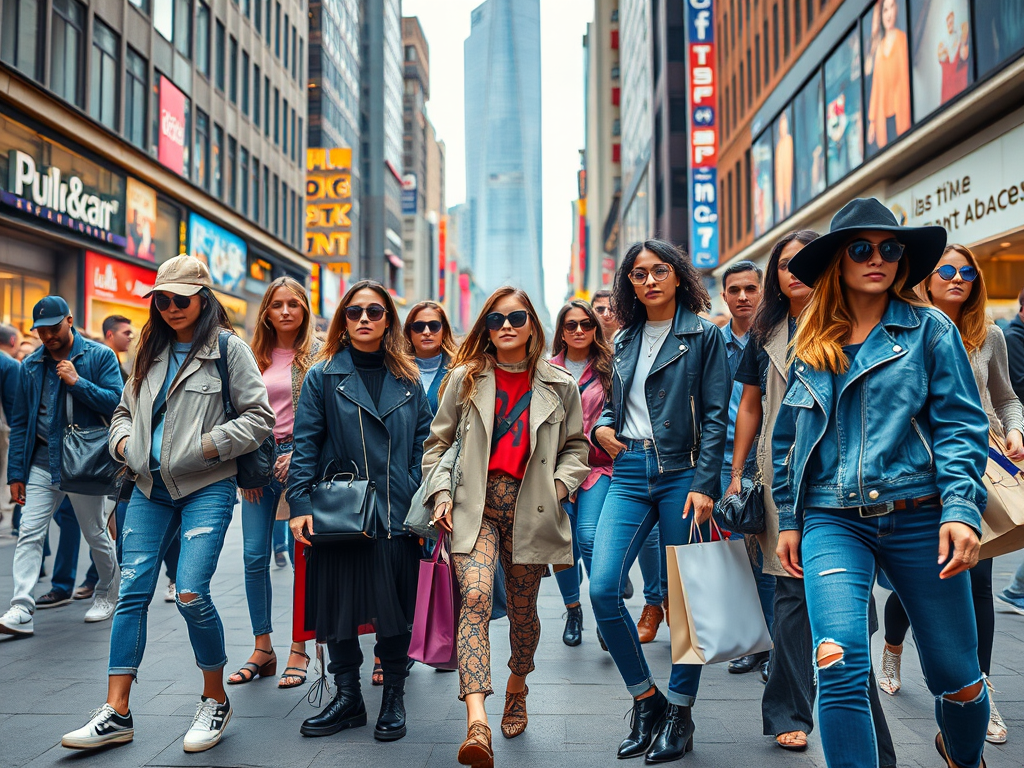
Teams of fashion scouts photograph streetwear in major cities like New York, Seoul, Paris, and Tokyo to capture what stylish people are wearing in real time. - Celebrity & Influencer Watching
One outfit worn by a celebrity can spark a mass-market demand, especially if it’s easy to replicate. - AI-Powered Trend Prediction
Some fast fashion giants now use artificial intelligence to analyze millions of data points, predicting what will trend weeks before it happens.
By shortening the time between trend discovery and product launch, these brands keep customers coming back for “what’s new” rather than “what’s timeless.”
The Manufacturing Revolution: From Months to Days
A huge part of the rise of fast fashion lies in its production speed. In traditional fashion, it could take 6–9 months to go from concept to final product. Fast fashion has reduced this to just 2–4 weeks for most items, with some ultra-fast fashion companies achieving 7–10 days from design to delivery.
This is made possible by:
- Local production hubs close to distribution centers.
- Small-batch manufacturing to test styles before mass production.
- Flexible supply chains that can switch from one style to another almost instantly.
The result is a constant flow of fresh products—so much so that customers often check online stores multiple times a week to see what’s new.
The Role of Social Media in Shortening Trend Cycles
Without social media, the speed of fast fashion would not be possible. Instagram, TikTok, Pinterest, and YouTube have replaced traditional fashion magazines as the main source of trend inspiration.
- TikTok’s “micro-trend” culture means a style can go viral one week and vanish the next.
- Instagram influencers curate shoppable looks that link directly to fast fashion websites.
- Pinterest boards inspire mood-based purchases, from “cottagecore dresses” to “Y2K streetwear.”
The cycle goes like this:
- A trend emerges online.
- Influencers and celebrities wear it.
- Fast fashion brands release their version.
- Consumers buy in quickly.
- A new trend replaces it within weeks.
dinary users into powerful style influencers.
- Zara hauls and H&M try-on videos flood Instagram Reels.
- Shein hauls on YouTube rack up millions of views.
- Fashion Nova curve collections dominate Instagram feeds thanks to celebrity endorsements.
- Urbanic outfit inspiration spreads rapidly in Indian college fashion circles.
One viral video can push a trend into overdrive. A celebrity wearing a bold cut-out dress might inspire Forever 21 to release a similar version within a week, and by the time the next month rolls around, Mango could have an elevated, minimalist twist on it
The Psychology Behind Fast Fashion Consumption
The rise of fast fashion isn’t just a business strategy—it’s fueled by human behavior. Shoppers love novelty, and constant product drops create a sense of scarcity and urgency. This “buy it now or lose it forever” mentality pushes consumers to purchase more often, even if they don’t truly need the items.
Retail psychology also plays a role:
- Low prices make impulse buying easier.
- Frequent new arrivals create excitement.
- Limited stock encourages quicker decisions.
This mirrors the addictive nature of social media scrolling—there’s always something new to see, and in this case, to buy.
The Dark Side: Environmental and Ethical Concerns
While fast fashion offers affordable, trendy clothing, it comes at a significant cost:
- Environmental Impact
The industry is one of the largest polluters, consuming massive amounts of water and producing tons of textile waste. - Labor Exploitation
Low prices often mean low wages for garment workers in developing countries. - Quality and Waste
Short-lived trends mean clothing is discarded faster, contributing to landfill waste.
As trend cycles shorten, the pressure to produce quickly increases, often worsening these issues.
Are Brands Trying to Slow Down?
Interestingly, some fast fashion brands are experimenting with more sustainable practices—not necessarily slowing down trend cycles, but trying to soften their impact. Initiatives include:
- Recycling programs for old clothes.
- Using organic or recycled fabrics.
- Publishing sustainability reports.
However, critics argue that as long as production remains at such high volumes, these efforts are like putting a bandage on a much larger wound.
The Future of Fast Fashion and Trend Cycles
We may see the rise of hybrid models where brands still offer quick trend turnarounds but focus on timeless essentials alongside micro-trend items. Artificial intelligence will likely make trend prediction even faster, and social media will continue to dictate what’s “in.”
But as consumer awareness grows, brands may need to find ways to balance speed with responsibility—or risk losing customers to sustainable competitors.
In the next few years, expect to see:
- Even faster production cycles driven by AI.
- More limited-edition drops to create hype and reduce unsold inventory.
- Blending of physical and virtual fashion, where brands like H&M or Zara may sell digital clothing for avatars alongside physical pieces.
- Sustainability as a selling point, especially in markets like India where Zudio and Urbanic are rapidly growing.
Fast fashion isn’t going away—it’s evolving. The challenge for both brands and consumers will be finding a balance between staying on-trend and making responsible fashion choices.

Final Thoughts
The rise of fast fashion has transformed not only how quickly trends move but also how we think about clothing. From Zara’s rapid runway turnarounds to Shein’s endless online drops, from H&M’s weekly arrivals to Zudio’s budget-friendly micro-trends, the fashion clock is ticking faster than ever.
These brands have mastered the art of speed—spotting, producing, and selling trends before they fade. But with this power comes responsibility, and the conversation around sustainability will only get louder.
As shoppers, we may not be able to slow the trend cycle, but we can choose how we participate in it—whether that means buying thoughtfully, mixing fast fashion with timeless pieces, or supporting brands that genuinely work towards better practices.
The fashion world is moving faster, but maybe it’s time for us to take a breath.
- Categories:
- Fashion