
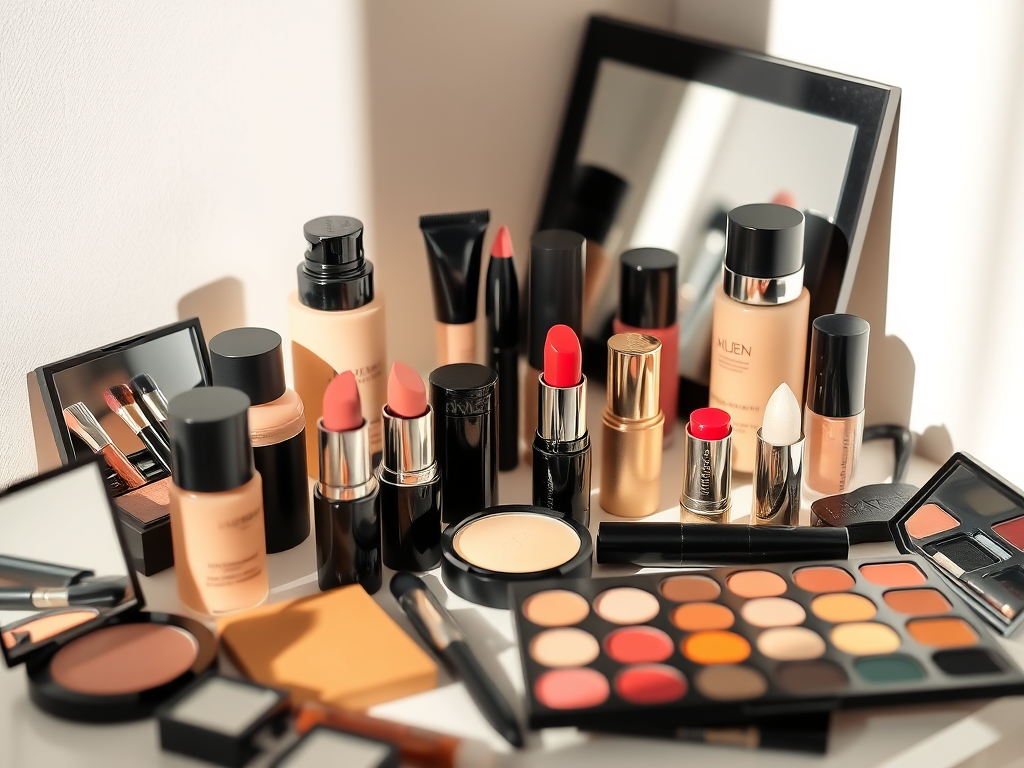
Beginner’s Guide to Choosing Makeup Shades Online
Introduction: Why Choosing Makeup Shades Online Feels Tricky
Shopping for makeup online can feel like a gamble—especially when it comes to finding the right shade. Without the ability to swatch products on your skin, it’s easy to end up with a foundation that’s too yellow, a lipstick that washes you out, or an eyeshadow that looks completely different from the product photos.
The good news? With the right techniques, tools, and a bit of shade science, you can shop confidently from the comfort of your home. This Beginner’s Guide to Choosing Makeup Shades Online will walk you through everything—from understanding your skin tone to using virtual try-on tools—so you never have to deal with the disappointment of a mismatched purchase again.
Step 1: Know Your Skin’s Undertone
One of the biggest mistakes beginners make is focusing only on whether they have “fair” or “deep” skin without considering undertones. Your undertone affects how a makeup shade appears on you.
The three main undertones:
- Warm – Yellow, golden, or peachy hues in your skin.
- Cool – Pink, red, or bluish hues.
- Neutral – A balance of warm and cool tones.
How to find yours at home:
- Vein Test: Look at the veins on your wrist. Greenish veins indicate warm undertones, bluish or purple veins suggest cool undertones, and a mix points to neutral.
- Jewelry Test: Gold jewelry tends to look better on warm tones, silver on cool tones, and both on neutral tones.
- White Fabric Test: Hold a white sheet near your face in natural light. If your skin looks more golden, you’re warm; if it looks rosy or bluish, you’re cool.
Once you know your undertone, picking foundation, lipstick, and even blush shades becomes much easier.
Step 2: Understand Makeup Shade Naming
Brands often use descriptive names for shades, but those names can be misleading. “Beige” in one brand may be warm, while in another, it may lean cool.
Tips for decoding shade names:
- Warm Shades often include words like golden, honey, caramel, or warm beige.
- Cool Shades might include ivory, rose, porcelain, or cool sand.
- Neutral Shades may use terms like nude, natural, or neutral beige.
When shopping online, always look at the undertone description in the product details, not just the name.
Step 3: Use Brand Shade Matching Tools
Many online makeup retailers have embraced AI and AR tools to make online shopping easier.
Examples:
- MAC Cosmetics Virtual Try-On – Lets you see lipsticks, eyeshadows, and more on a live camera feed.
- Maybelline Foundation Finder – Asks about your skin tone, undertone, and preferred finish before suggesting shades.
- Sephora Virtual Artist – Tests products on a selfie you upload.
- Nykaa’s Shade Finder – Matches shades based on your existing products.
If you’re a beginner, these tools are your best friend. Always compare results from at least two tools before buying.
Step 4: Compare with Shades You Already Own
If you have a foundation or lipstick you love, check its shade name and undertone, then search online for shade comparison charts.
Websites like Temptalia, Findation, and Foundation Matrix let you enter your current product’s shade and find close matches across different brands.
This is especially helpful when you’re switching brands or looking for a formula upgrade without losing your perfect match.
Step 5: Check Swatches on Real People
Product photos on brand websites are often edited for marketing, so don’t rely solely on them. Instead:
- Search for YouTube reviews where influencers swatch shades in natural light.
- Check Instagram beauty pages that show side-by-side comparisons.
- Look for swatches on people with skin tones similar to yours.
Tip: Search “[Product Name] swatches on [skin tone]” in Google Images to narrow results.
Step 6: Factor in Lighting and Oxidation
Two big reasons makeup looks different in real life compared to online images are lighting and oxidation.
- Lighting: Your makeup might appear warmer in yellow light and cooler in white light.
- Oxidation: Some foundations darken after application due to reaction with air or your skin’s pH.
If you’re unsure, pick a shade slightly lighter than what you think you need—it’s easier to warm it up with bronzer than to fix an overly dark base.
Step 7: Start with Multipurpose Products
If you’re new to online makeup shopping, avoid investing heavily in full-size products right away. Instead:
- Buy mini or travel sizes when available.
- Try multi-use tints that work for lips, cheeks, and eyes.
- Use adjusting drops (white or dark) to tweak foundation shades at home.
This way, even if the shade isn’t perfect, you can still use it without feeling like you wasted money.
Step 8: Read Reviews Carefully
When reading reviews, pay attention to:
- The reviewer’s skin tone and undertone.
- Whether they mention oxidation or shade discrepancies.
- If they compare it to other shades or brands you know.
Avoid relying solely on star ratings—focus on detailed reviews with photos.
Step 9: Understand Seasonal Shade Changes
Your skin tone can change with the seasons—slightly lighter in winter, warmer in summer.
Many beauty experts (and even beginners who shop smart) keep two foundation shades and mix them throughout the year.
When shopping online, consider whether you’re buying for your current skin tone or your year-round match.
Step 10: Keep a Personal Shade Library
Once you’ve found shades that work for you, keep track of them in a note on your phone. Include:
- Brand & product name
- Shade name & undertone
- Season you use it in
This will make future online shopping faster and less confusing.
Common Shade Selection Mistakes to Avoid
- Choosing based only on product photos – Always check swatches on real skin.
- Ignoring undertones – Leads to mismatched, unnatural finishes.
- Not accounting for oxidation – Causes foundations to look darker after a few hours.
- Buying the same shade name across brands – “Beige” isn’t universal.
- Skipping product descriptions – Many brands clearly state undertone details.
Final Thoughts
For beginners, buying makeup online can feel intimidating—but it doesn’t have to be a guessing game. By understanding your undertone, using virtual try-on tools, comparing with products you already own, and checking real-life swatches, you can shop with confidence.
This Beginner’s Guide to Choosing Makeup Shades Online is about empowering you to make smart purchases that suit your skin, style, and budget—so your next makeup delivery feels exciting, not disappointing.
And remember: makeup is meant to be fun. Even if a shade isn’t a perfect match, you can often make it work with a little creativity—mixing, blending, or layering it into your routine. Over time, your online shade-matching skills will get sharper, and you’ll know exactly which shades to add to your cart.
- Categories:
- Beauty