
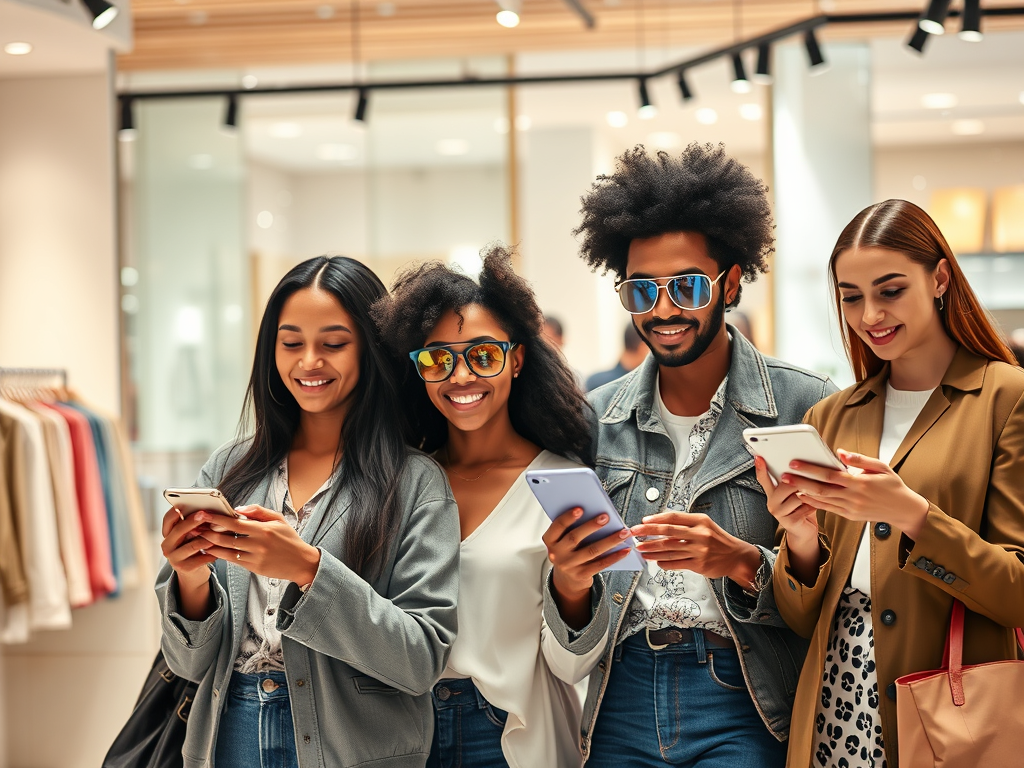
How AI Is Changing the Way We Shop for Clothes
In the last decade, the fashion industry has undergone a massive transformation—from fast fashion to conscious consumption, influencer marketing to virtual fitting rooms. But nothing has disrupted the way we shop quite like Artificial Intelligence (AI). With its ability to predict preferences, automate styling suggestions, and personalize shopping experiences, AI has emerged as a game-changer in the retail space..
📱 The Old vs. New Way of Shopping
Not long ago, shopping for clothes meant walking into a store, browsing through racks, and trying on outfits in cramped trial rooms. The experience was tactile but time-consuming and often frustrating—especially when your size wasn’t available or nothing seemed to suit your taste.
Today, technology has completely flipped that experience. Consumers expect convenience, curation, and speed. With AI entering the equation, personalization has gone from being a bonus to a baseline requirement.
🤖 What Is AI in Fashion?

Artificial Intelligence in fashion refers to the use of machine learning algorithms, computer vision, natural language processing, and data analytics to optimize various aspects of fashion retail. From understanding consumer behavior to inventory management and trend forecasting, AI is being applied across the board.
When we talk about how AI is changing the way we shop for clothes, it involves several technologies working behind the scenes:
- Recommendation engines that suggest outfits based on your browsing history.
- Visual search tools that let you upload a photo and find similar styles.
- AI stylists that curate full looks based on your mood, event, or personality.
- Virtual try-on using AR and AI to simulate how clothes will look on your body.
- Chatbots that answer fashion queries in real-time.
🧠 Personalized Recommendations: Your New Fashion Assistant
One of the most immediate ways AI touches the consumer is through hyper-personalized shopping experiences. Think of Netflix’s recommendation engine, but for clothes.
How It Works:
AI analyzes your purchase history, browsing behavior, likes, sizes, and even social media activity. It uses that data to recommend styles that are more likely to appeal to your taste.
Brands Doing It:
- Amazon Fashion: Uses AI to show items “Inspired by your shopping trends.”
- Myntra’s StyleBot: Suggests outfits based on customer inputs like event, weather, or style.
- Zalando: Uses AI for trend detection and personalized homepages for every user.
This kind of personalization not only reduces decision fatigue but also increases purchase satisfaction and lowers return rates.
🖼️ Visual Search and Style Discovery
Ever spotted a gorgeous dress on Instagram but didn’t know where to buy it? AI’s visual search technology has solved that problem.
How It Works:
You upload an image, and the AI tool scans it to identify patterns, textures, colors, and shapes. Then it finds matching or similar products in the brand’s inventory.
Real-World Examples:
- Pinterest’s Lens: Lets you shop fashion items by simply scanning them.
- Google Lens: Identifies and links fashion pieces to retailers.
- ASOS Style Match: Upload a photo to get visually similar outfit suggestions.
This has revolutionized how inspiration turns into a transaction—removing friction between desire and discovery.
🛍️ Virtual Try-Ons & AR Fitting Rooms

Shopping online often means gambling on sizes. But with AI-powered virtual try-ons, consumers can see how garments will look on their body—before buying.
How It Works:
Using computer vision and AR (Augmented Reality), AI creates a digital version of you and projects clothes onto it. The software simulates fit, drape, and even fabric texture.
Brands Leading the Way:
- Zara & H&M: In-store AR mirrors that show how clothes will look on you.
- Snapchat’s AR Shopping Lenses: Used by brands like Prada and Farfetch.
- Lenskart & Warby Parker (for eyewear): Try on glasses virtually before buying.
This is perhaps the most exciting part of how AI is changing the way we shop for clothes—bringing the dressing room into your bedroom.
💬 AI Chatbots as Fashion Advisors

AI-driven chatbots can now act as personal fashion assistants. They not only answer your FAQs but can also help you build outfits and suggest what to wear based on the occasion.
What They Do:
- Guide users through catalog navigation.
- Offer size and styling tips.
- Recommend looks for dates, vacations, interviews, etc.
- Process returns or exchanges.
Examples:
- Levi’s “Virtual Stylist”: Helps customers pick the right jeans based on fit preference.
- H&M’s Kik Chatbot: Curates outfits based on user responses to style quizzes.
These bots are available 24/7 and provide consistent, reliable service—perfect for global shoppers.
📊 Inventory Management and Sustainable Fashion
It’s not just the shopping experience AI is improving—it’s also helping brands behind the scenes with smarter inventory control and reduced waste.
Key Benefits:
- Demand Prediction: Avoids overproduction and helps forecast trends.
- Smart Inventory: Stores are stocked with what customers are most likely to buy.
- Returns Management: AI analyzes reasons for returns and helps reduce them.
Impact:
- Fashion brands can now run more sustainable supply chains.
- Smaller carbon footprints due to lower overstock and unsold inventory.
- Better pricing and availability for consumers.
Companies like Stitch Fix, Nike, and Adidas are investing heavily in AI to manage production pipelines and customer preferences efficiently.
🌍 Inclusivity and Customization with AI
One of the most empowering changes brought about by AI is increased fashion inclusivity. Consumers now expect size diversity, gender-neutral collections, and personalized fits—and AI is delivering on that.
What’s Possible Now:
- Made-to-measure clothing using 3D body scans.
- AI-led design platforms like Zozosuit that create custom-fit apparel.
- Greater size availability in brands thanks to demand forecasting via AI.
Fashion isn’t one-size-fits-all, and AI is making sure your shopping experience isn’t either.
📈 How AI Helps Small Fashion Brands
While large companies may dominate AI innovation, smaller brands can also harness it through:
- AI-based website plugins (like Vue.ai, Bold Metrics).
- Affordable chatbot services for customer engagement.
- Style suggestion engines to upsell or cross-sell.
- Data analytics tools to understand customer behavior.
This democratization of technology allows emerging labels to offer luxury-like service at a fraction of the cost.
🔮 The Future: Where Is AI in Fashion Heading?
Looking ahead, the influence of AI in fashion will only grow. Here are some emerging possibilities:
- AI-Generated Clothing Designs: Algorithms like DALL·E or Midjourney are being used to design entire outfits.
- Voice-Based Shopping: “Hey Alexa, find me a white summer dress under ₹2000.”
- Emotion Detection AI: Reading facial expressions or tone to offer style suggestions based on mood.
- Blockchain + AI: For verifying product authenticity and reducing counterfeits.
The blend of AI, AR, and VR is pushing us toward phygital fashion—a mix of physical and digital experiences.
🛒 How AI Is Changing the Way We Shop for Clothes: Key Takeaways
- Personalization is now standard. AI helps suggest clothes tailored to your taste and size.
- Shopping is faster, smarter, and more visual. Tools like visual search and virtual try-ons are becoming mainstream.
- Fashion is becoming more inclusive. With AI, you can find or customize styles that truly fit your body.
- Sustainability is improving. Smarter inventory and reduced waste are helping the planet.
- Even small brands can benefit. Affordable tools are now within reach for indie fashion labels.
In short, how AI is changing the way we shop for clothes is more than a tech story—it’s a transformation in how we express ourselves, experience fashion, and connect with style.
🧷 Final Thoughts
AI isn’t replacing fashion—it’s enhancing it. From discovering the perfect outfit for your vacation to getting the right fit without entering a store, AI is eliminating friction from every part of the fashion shopping journey.
As we step into an even more connected and intelligent future, our wardrobes will reflect not just trends, but the power of data, emotion, and innovation. And honestly? That’s pretty stylish.
- Categories:
- Lifestyle