
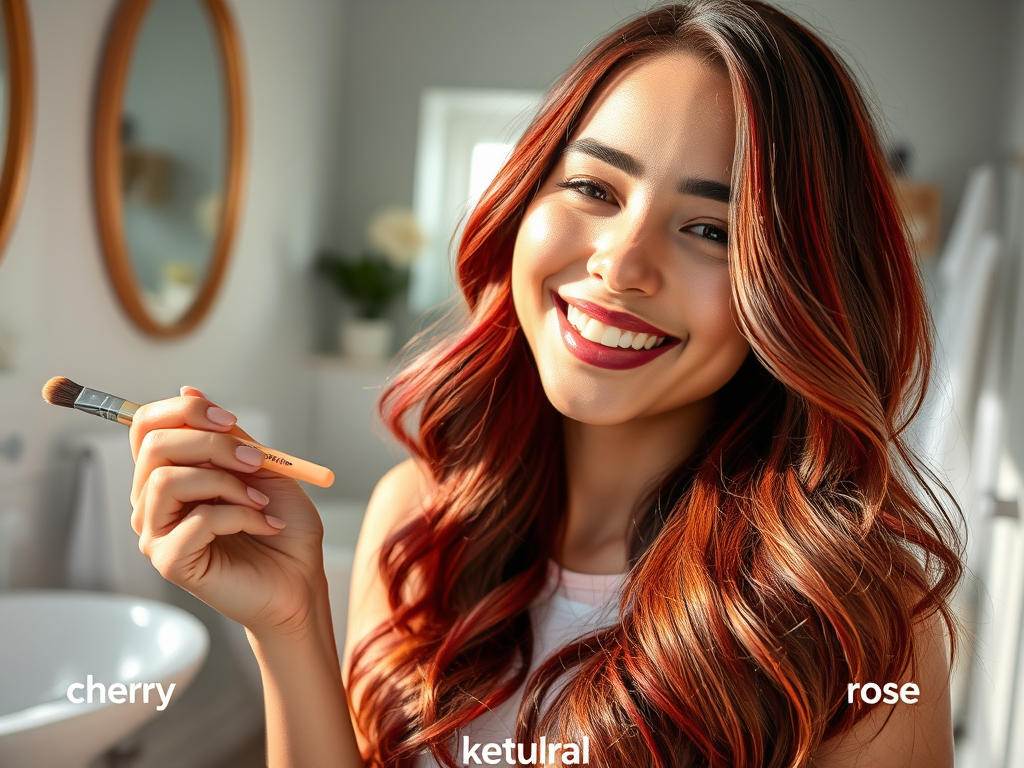
Salon-Like Hair Color at Home Without Damage: Step-by-Step DIY Guide
There’s something incredibly empowering about being able to transform your look from the comfort of your home. No waiting for salon appointments, no expensive bills—just you, your tools, and a little know-how. The rise of DIY beauty, especially in hair coloring, has opened up a world of possibilities for anyone looking to add vibrancy, depth, or a subtle change to their hairstyle. Whether you’re a first-timer or a home-coloring veteran, learning how to achieve salon-like hair color at home is a game-changer.
But what’s making at-home hair color so trendy right now? It’s not just about convenience—it’s about control. With improved product formulations, cleaner ingredients, and salon-grade results becoming more accessible, people are ditching chemical-heavy salon routines and embracing ammonia-free hair color kits that protect their strands while delivering high-impact shades. Social media is full of stunning DIY color transformations, and the trend is only growing. In 2025, beauty is personal, clean, and custom—and at-home hair color fits perfectly into that ethos.
Trending Hair Color Shades for 2025
If you’re planning your next color refresh, here are the top trending shades in 2025 to inspire your DIY session:
- Cherry Cola Red: A rich, deep burgundy-red that flatters warm and neutral skin tones.
- Mushroom Brown: Cool-toned brown with ash and taupe undertones—perfect for a sophisticated, muted look.
- Rose Gold: A playful blend of pink and golden hues that looks dreamy on lighter bases.
- Toffee Caramel Highlights: Adds dimension to brunette hair without a full-color change.
- Soft Lavender: For those ready to experiment with pastel tones while keeping it chic.
These tones not only turn heads but also reflect the personal, expressive spirit of the at-home color trend.
With the right technique, a little patience, and the right products, you can achieve salon-like hair color at home without damaging your strands. And if you’re mindful of hair health, ammonia-free hair color is the way to go. In this guide, we’ll walk you through expert tips, home coloring secrets, and the top 5 ammonia-free hair color brands that promise vibrant, glossy results.

Step 1: Choose the Right Hair Color Product for Your Hair Type
- Ammonia-free or low ammonia formulas: Gentler on your hair and scalp.
- Semi-permanent vs permanent colors: Semi-permanent fades gradually and is less damaging, perfect for first-timers or trendy shades.
- Natural/organic hair dyes: Henna or herbal-based options for chemical-free coloring.
- Consider your hair’s current condition: Avoid coloring if your hair is brittle or severely damaged.
Step 2: Do a Patch and Strand Test
- Always patch test 48 hours before to rule out allergic reactions.
- Strand test to see how the color will turn out on your hair texture and base color.
Step 3: Prep Your Hair
- Avoid shampooing hair 24–48 hours before coloring to keep natural oils intact.
- Detangle hair and section it for easier application.
- Apply petroleum jelly or a thick moisturizer around your hairline to prevent staining.
Step 4: Gather Your Tools
- Gloves (usually included)
- Tint brush
- Mixing bowl
- Clips for sectioning
- Timer or clock
Step 5: Application Process
- Follow the instructions precisely.
- Start applying color at the roots and work toward the tips.
- Use even strokes for uniform coverage.
- Set a timer and avoid leaving the dye on longer than recommended.
Step 6: Rinse and Condition
- Rinse hair with lukewarm water until water runs clear.
- Use the conditioner included in the kit or a nourishing deep conditioner.
- Avoid hot water as it can strip color.
Step 7: Aftercare Tips for Long-Lasting, Healthy Color
- Use sulfate-free, color-safe shampoos and conditioners.
- Limit heat styling and protect hair with heat protectants.
- Deep condition weekly.
- Avoid excessive sun exposure or wear a hat outdoors.
- Touch up roots only when necessary to prevent over-processing.
Harmful Chemicals to Avoid
- Ammonia: Opens the hair cuticle aggressively, which can lead to dryness, scalp irritation, and brittle hair over time. It’s known for its strong smell and harsh effects.
- Parabens: Preservatives linked to hormonal disruption and scalp sensitivity.
- P-Phenylenediamine (PPD): A common dye ingredient that can cause allergic reactions and scalp inflammation.
- Resorcinol: Used in dyes but may irritate skin and eyes and has potential hormonal effects.
- Sulfates: Often present in shampoos used post-coloring but can strip natural oils, causing color fading and dryness.
Harmless or Safer Alternatives
- MEA (Monoethanolamine): A gentler substitute for ammonia that opens the hair cuticle less aggressively, causing less damage and odor.
- Plant-based extracts: Ingredients like aloe vera, chamomile, jojoba oil, and argan oil nourish hair during coloring.
- Ammonia-free formulas: These rely on milder chemicals or oils to gently deposit color while maintaining hair health.
- No-paraben and sulfate-free: Many modern hair dyes avoid these to reduce irritation and color fade.
Why Choose Ammonia-Free Hair Color?
Switching to ammonia-free hair color can dramatically reduce hair dryness, maintain your natural shine, and protect your scalp’s health. These formulas are especially good if you have sensitive skin or frequently color your hair.
For those who want to know how to color your hair at home without damage, choosing ammonia-free products is one of the best first steps.
5 Best Hair Color Brands You Can Trust
1. L’Oréal Paris Casting Crème Gloss
- Semi-permanent, ammonia-free formula
- Adds shine and natural-looking color
- Nourishes hair with royal jelly extract
- Covers greys partially, ideal for subtle changes
2. Garnier Color Naturals Crème
- Ammonia-free with nourishing oils (olive, almond, avocado)
- Permanent color with long-lasting results
- Strengthens hair while coloring
- Wide shade range suited for various skin tones
3. BBlunt Salon Secret High Shine Crème Hair Colour
- Ammonia-free permanent color
- Includes shine tonic for glossy, smooth hair
- Designed for Indian hair types
- Provides vibrant, rich colors
4. Revlon Colorsilk Beautiful Color
- Ammonia-free with silk proteins
- Provides 100% grey coverage
- Long-lasting and fade-resistant
- Smooth, natural finish
5. Herbatint Permanent Hair Color Gel
- 100% ammonia-free and enriched with herbal extracts
- Suitable for sensitive scalps
- Vegan and cruelty-free formula
- Gentle yet effective permanent color
Side Effects of Hair Colors and How to Protect Your Hair After Coloring
Coloring your hair can give you a stunning new look, but it’s important to be aware of potential side effects and how to care for your hair afterward to keep it healthy and vibrant.
Common Side Effects of Hair Coloring
- Hair Damage and Dryness: Chemicals like ammonia and peroxide can strip natural oils, leaving hair dry, brittle, and prone to breakage.
- Scalp Irritation: Allergic reactions or sensitivity to hair dye ingredients can cause itching, redness, or burning sensations on the scalp.
- Hair Breakage and Split Ends: Overprocessing weakens the hair shaft, leading to split ends and breakage.
- Color Fading and Unevenness: Without proper care, color may fade quickly or appear patchy.
- Allergic Reactions: Ingredients like PPD can cause allergic reactions ranging from mild irritation to severe swelling or rash.
How to Protect and Care for Your Hair After Coloring
- Use Sulfate-Free, Color-Safe Shampoos and Conditioners: These help maintain color vibrancy and prevent drying out your hair.
- Deep Condition Weekly: Use hydrating masks or oils (like argan, coconut, or jojoba oil) to restore moisture and repair damage.
- Avoid Excessive Heat Styling: Limit blow dryers, straighteners, and curling irons to prevent further damage. Always use a heat protectant when styling.
- Wash Hair with Cool or Lukewarm Water: Hot water can strip color and natural oils.
- Limit Sun Exposure: UV rays can fade hair color, so wear hats or use hair products with UV protection.
- Regular Trims: Get trims every 6-8 weeks to remove split ends and maintain healthy hair.
- Avoid Frequent Coloring: Give your hair time to recover between dye jobs to reduce damage.
Taking these steps seriously can help you enjoy your new hair color without compromising hair health — a key part of how to color your hair at home without damage.