
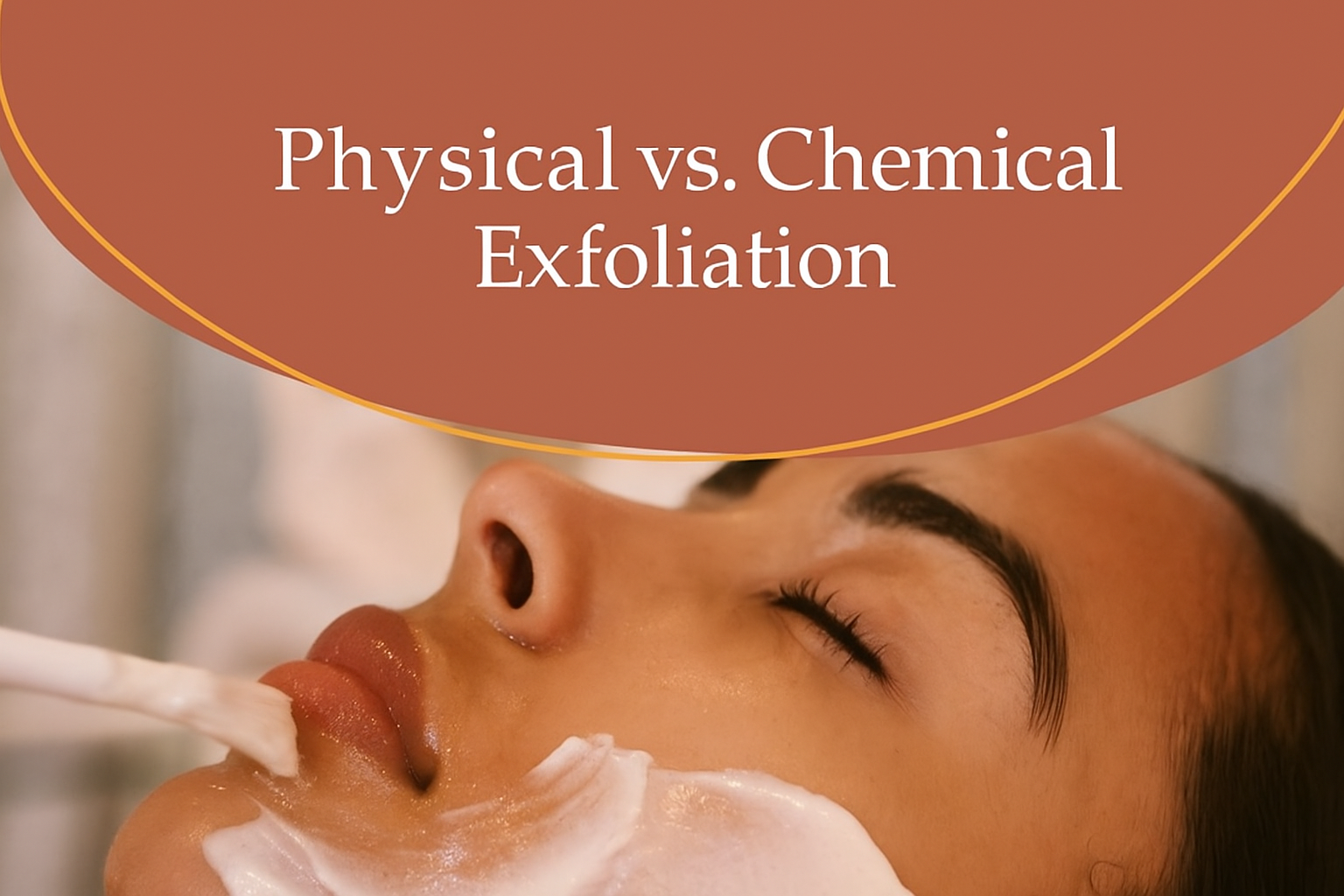
Chemical or Physical Exfoliation: What is Right for Your Skin
Healthy, glowing skin starts with a clean canvas, and exfoliation is the secret weapon behind that flawless, radiant complexion. But the million-dollar question remains: Chemical vs. Physical Exfoliation: What is right for your skin and ways to use it? With an overwhelming number of products on the market and skin experts weighing in on both sides, it’s easy to get confused. In this comprehensive guide, we break down everything you need to know to make the right choice and achieve the results your skin truly needs.
What is Exfoliation and Why is it Important?
Exfoliation is the process of removing dead skin cells from the skin’s surface. Our skin naturally sheds these cells, but as we age or due to environmental factors, the process slows down. This leads to dullness, clogged pores, and uneven texture. Regular exfoliation helps:
- Brighten complexion
- Unclog pores
- Prevent breakouts
- Enhance product absorption
- Even out skin tone
There are two main types of exfoliation: chemical and physical. Each works differently and suits different skin types.

Understanding Physical Exfoliation
Physical exfoliation involves manually scrubbing away dead skin cells using a gritty or textured substance. Think scrubs, brushes, sponges, or cleansing tools.
Examples of Physical Exfoliants:
- Face scrubs with microbeads, walnut shells, or sugar
- Exfoliating gloves
- Konjac sponges
- Silicone cleansing brushes
- Loofahs
- Charcoal scrub pads
- Dry brushing tools
- Body polishing mitts
- Pumice stones for feet
Home Remedies:
- Oatmeal + yogurt scrub
- Coffee grounds with coconut oil
- Sugar and honey exfoliating mask
- Rice flour + curd face polish
- Besan (gram flour) with turmeric and milk
Pros:
- Instant smoothness
- Easy to use
- Often inexpensive and widely available
Cons:
- Can cause microtears in sensitive skin
- Overuse may damage the skin barrier
- Not ideal for acne-prone or inflamed skin
Best For:
- Oily or combination skin
- Body exfoliation (elbows, knees, underarms)
- Occasional use on normal skin types
If you’re wondering about chemical vs. physical exfoliation: what is right for your skin and ways to use it, physical exfoliants are best when used gently and in moderation, especially on areas that can handle friction.
Understanding Chemical Exfoliation
Chemical exfoliation uses acids or enzymes to dissolve dead skin cells instead of manually scrubbing them away. These exfoliants work at a deeper level and often offer long-term benefits with regular use.
Common Types:
- AHA (Alpha Hydroxy Acids): Glycolic acid (from sugarcane), lactic acid (from milk) – great for dry, dull, or uneven skin. Glycolic acid deeply penetrates the skin, making it effective for reducing pigmentation and fine lines, while lactic acid offers gentle hydration along with exfoliation.
- BHA (Beta Hydroxy Acid): Salicylic acid – ideal for oily, acne-prone skin as it works inside pores to unclog them and reduce inflammation.
- PHA (Polyhydroxy Acids): Gentler alternative for sensitive skin with larger molecules that work on the skin’s surface.
- Fruit enzymes: Papaya, pineapple – natural exfoliators for sensitive users that gently dissolve dead skin.
Pros:
- Deeper penetration into pores
- Promotes cell turnover and collagen production
- Can improve acne, pigmentation, and fine lines
- Suitable for face and sensitive areas like underarms or bikini lines
Cons:
- Can cause irritation if overused
- Requires sunscreen due to increased sun sensitivity
- May take time to see visible results
Best For:
- Acne-prone or textured skin
- Mature skin with pigmentation or wrinkles
- People with sensitive skin (with mild acids like PHAs)
When comparing chemical vs. physical exfoliation: what is right for your skin and ways to use it, chemical exfoliants are often a safer, more effective choice for regular facial skincare.
Choosing Between Chemical vs. Physical Exfoliation: What Is Right for Your Skin?
1. For Sensitive Skin
- Go for: Chemical exfoliation with PHAs or enzyme-based products
- Avoid harsh scrubs or gritty textures
2. For Acne-Prone Skin
- Go for: BHA (salicylic acid) to unclog pores and reduce inflammation
- Avoid physical scrubs that can spread bacteria
3. For Dry or Dull Skin
- Go for: AHAs like lactic acid or glycolic acid to improve texture and brightness
- Use physical exfoliants only on dry patches, occasionally
4. For Oily Skin
- Go for: BHA or a combination of BHA + AHA
- Gentle physical exfoliation 1-2 times a week can help control excess oil
5. For Body Exfoliation
- Go for: Physical exfoliation (scrubs, loofahs) for areas like elbows, knees, and feet
- Chemical exfoliants (like glycolic acid lotions) can help treat body acne and dark spots
Understanding your skin type is key when deciding between chemical vs. physical exfoliation: what is right for your skin and ways to use it effectively.
How to Use Exfoliants Safely: The Right Way
Regardless of the type, here are essential rules for safe exfoliation:
1. Start Slowly
- Begin with 1-2 times a week and increase based on skin tolerance
2. Patch Test First
- Always test new chemical exfoliants before applying them to your face
3. Don’t Mix Too Many Actives
- Avoid using exfoliants with retinol or Vitamin C unless instructed
4. Moisturize After
- Replenish the skin barrier with soothing ingredients like ceramides or hyaluronic acid
5. Never Skip Sunscreen
- Especially after chemical exfoliation, always use SPF 30+ in the morning
When used properly, both exfoliation types can transform your skin. But remember, in the debate of chemical vs. physical exfoliation: what is right for your skin and ways to use it, technique matters just as much as the product.
Recommended Products for Every Exfoliation Type
Top Chemical Exfoliants:
- Minimalist 2% Salicylic Acid: Ideal for acne-prone skin
- The Ordinary Glycolic Acid 7% Toning Solution: Perfect for dull, uneven skin
- Dot & Key PHA Toner: Gentle exfoliation for sensitive skin
- Plum Green Tea Alcohol-Free Toner: Mild exfoliation for oily skin
- Dr. Sheth’s Gulab & Glycolic Toner: Great for Indian skin tones
- Pixi Glow Tonic (with 5% Glycolic Acid): A cult-favorite for radiance
- COSRX AHA/BHA Clarifying Treatment Toner: Gentle yet effective exfoliation
- Paula’s Choice Skin Perfecting 2% BHA Liquid Exfoliant: Excellent for clearing blackheads and clogged pores
Top Physical Exfoliants:
- MCaffeine Coffee Face Scrub: Energizing and gentle
- St. Ives Gentle Smoothing Scrub (Oatmeal): Mild enough for weekly use
- WishCare Exfoliating Gloves: Ideal for body use
- Bodywise Exfoliating Body Wash with AHA + Walnut: A hybrid formula
- Forest Essentials Facial Ubtan: Traditional Indian physical exfoliant
- Dove Exfoliating Body Polish: Creamy texture with gentle exfoliation
- Basicare Facial Cleansing Brush: Manual tool for surface exfoliation
- Bare Necessities Bamboo Loofah: Sustainable and body-friendly option
Can You Combine Both? Yes—But With Caution
Some skincare enthusiasts benefit from combining both methods. For example:
- Use a chemical exfoliant once or twice a week for deep exfoliation
- Use a physical exfoliant on a separate day for instant smoothing
Ideal Combo Routine:
- Monday: Salicylic acid serum (chemical)
- Thursday: Gentle scrub or exfoliating glove (physical)
Always keep hydration and sun protection in the routine when using either method.
In the context of chemical vs. physical exfoliation: what is right for your skin and ways to use it, combining the two thoughtfully can deliver maximum glow with minimal risk.
Myths About Exfoliation (Busted!)
- Myth 1: More exfoliation = better results
- Truth: Over-exfoliation can damage your skin barrier
- Myth 2: Physical exfoliants are always bad
- Truth: When used correctly, they can be effective, especially for the body
- Myth 3: Chemical exfoliants are harsh
- Truth: Not all acids are aggressive; PHAs and lactic acid are very gentle
Final Verdict: Chemical vs. Physical Exfoliation – What is Right for Your Skin and Ways to Use It?
The best exfoliation method is the one that suits your skin type, concerns, and routine. If you’re after deeper, more long-term results, chemical exfoliation is often the winner. But for instant smoothness or body care, physical exfoliation still has its place.
No matter which you choose, consistency, gentleness, and awareness are the keys. Don’t just follow the hype—listen to your skin.
So next time you find yourself debating chemical vs. physical exfoliation: what is right for your skin and ways to use it, consider your skin goals, lifestyle, and tolerance levels. The glow you want is just one smart step away.