
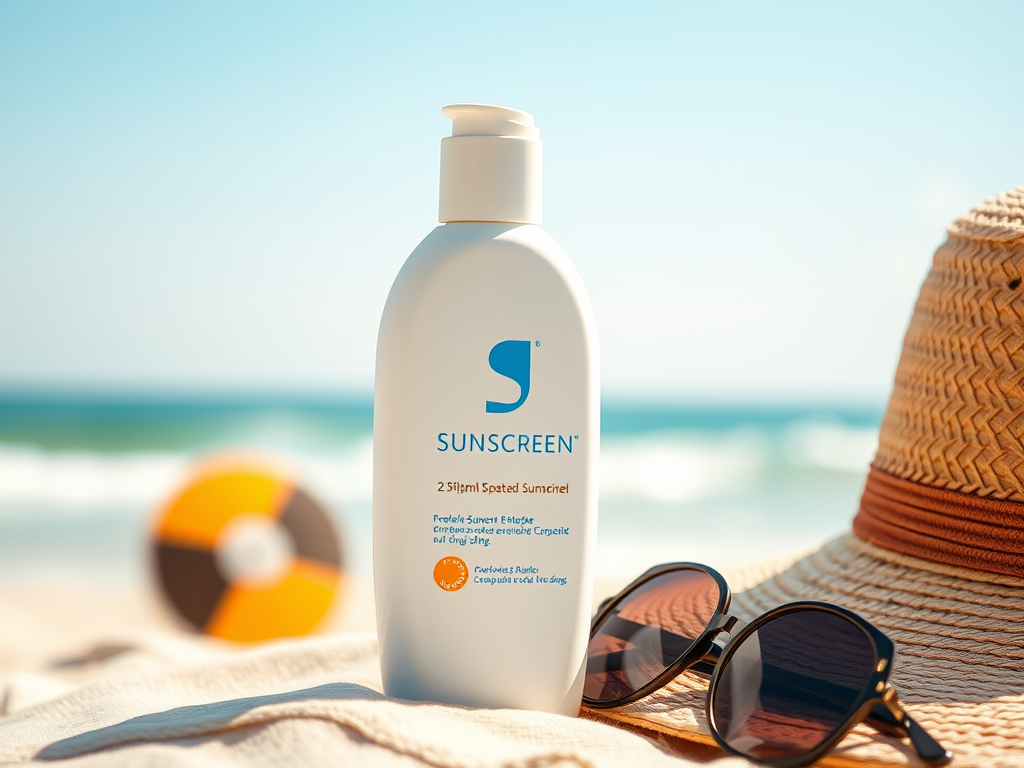
Why Sunscreen Is Your Skin’s Best Anti-Aging Weapon
When it comes to maintaining youthful skin, the beauty world is saturated with promises—serums, night creams, collagen boosters, and retinoids. But among all these, sunscreen quietly stands as the most effective and scientifically supported defense against premature aging. Surprisingly, despite its effectiveness, sunscreen remains underrated in many people’s daily routines. Sunscreen isn’t just a product to prevent tanning or protect you on sunny beach days; it is a comprehensive anti-aging tool that preserves skin health on a molecular level.

How Sunscreen Prevents Skin Aging
Every day, your skin is bombarded by UV radiation from the sun. UVA rays penetrate deeply into the skin, damaging collagen and elastin, the proteins responsible for firm and elastic skin. Over time, this damage accumulates, leading to fine lines, wrinkles, and a leathery texture. UVB rays, though less penetrating, can cause sunburns and directly damage the DNA in skin cells, which can lead to skin cancer. Sunscreen acts as a barrier, absorbing or reflecting these harmful rays, thus preventing the biological processes that cause visible aging.
By wearing sunscreen daily, you significantly reduce your risk of developing age spots, sagging, rough patches, and wrinkles. A landmark study published in the “Annals of Internal Medicine” found that individuals who used sunscreen regularly aged 24% less than those who did not. It is, without exaggeration, the foundation of any good anti-aging skincare routine.
Frequently Asked Questions & Popular Search Terms
People Also Ask:
- Does sunscreen really prevent wrinkles?
- Should I wear sunscreen in winter?
- How much SPF is enough?
- Can sunscreen reverse sun damage?
Application Tips for Maximum Protection
To truly benefit from sunscreen, correct application is key. Use about half a teaspoon for your face and neck. Reapply every two hours if outdoors, and immediately after swimming or sweating. Don’t neglect areas like your ears, neck, eyelids, and the back of your hands. Remember, even on cloudy or winter days, UV rays can reach your skin and cause damage.
SPF 30 vs. SPF 50: How Much Protection Do You Really Need?
Many people assume that the difference between SPF 30 and SPF 50 is huge, but the truth lies in the math. SPF 30 blocks about 97% of UVB rays, while SPF 50 blocks approximately 98%. This 1% might seem insignificant, but if you’re spending long hours outdoors, especially during peak sun intensity, that extra protection could mean preventing significant cellular damage. However, this doesn’t mean SPF 50 makes you invincible. No sunscreen blocks 100% of UV rays, and how well it works depends on how much you apply and how often you reapply.
That said, SPF 50 may be a better option for people with fair skin, a history of skin cancer, or skin prone to pigmentation and sun sensitivity. It’s also preferred during intense sun exposure like beach days or hiking trips. But for daily use under makeup or indoors, SPF 30 is typically sufficient if applied and reapplied correctly. The choice between SPF 30 and 50 is less about the number and more about your habits—consistent, liberal application and reapplication are what truly protect your skin.
Some people assume that higher SPF means they can stay in the sun longer, but this is a common myth. SPF is not a time extension, but a measure of how much UVB radiation it filters. Even with SPF 50, you need to reapply every 2-3 hours, especially if you’re sweating or swimming. And regardless of the SPF rating, missing spots like ears, hairline, or neck can still result in sun damage. So the focus should always be on complete coverage and consistent usage, rather than only chasing a higher number.
Also worth considering: texture and formulation. SPF 30 products are often lighter, more breathable, and better suited for oily or acne-prone skin types. In contrast, SPF 50 formulas might feel heavier or leave a white cast, especially on deeper skin tones. With recent advancements, many brands now offer SPF 50 in elegant, wearable formulations. Always do a patch test and find what works best for your skin type to maintain consistent use without irritation or discomfort.
In summary, SPF 30 is excellent for daily wear in urban environments, while SPF 50 is ideal for high-intensity outdoor exposure. Instead of focusing solely on the SPF rating, prioritize a broad-spectrum product with UVA and UVB protection, and make it a habit to apply the right amount and reapply diligently. That is what will keep your skin youthful and protected in the long run.
How Often Should You Reapply Sunscreen? The Truth Experts Want You to Know
Applying sunscreen once in the morning is a good start, but it’s not enough to protect you all day. Dermatologists worldwide recommend reapplying sunscreen every two hours when you’re exposed to sunlight, and even more frequently if you’re sweating, swimming, or wiping your face. Sunscreen wears off due to sweat, oil production, water exposure, and physical activity. Ignoring reapplication leaves your skin vulnerable to cumulative UV damage, the leading cause of premature aging and sunburn.
Chemical sunscreens, which absorb UV rays, tend to degrade faster than mineral ones, which sit on the skin’s surface. Either way, both types need to be reapplied to maintain their efficacy. Reapplication is especially critical between 10 a.m. and 4 p.m., when the sun’s rays are strongest. Using a setting spray or powder sunscreen can help those who wear makeup maintain coverage without ruining their look. Sunscreen sticks and cushions also offer convenient ways to top up throughout the day.
If you’re indoors all day but work near windows, UVA rays can still penetrate glass and damage your skin. In such cases, a morning application followed by one midday reapplication may be sufficient. But for outdoor workers or fitness lovers, more frequent reapplication is essential. Many skip this step out of inconvenience, but modern formulations make it easier with portable, mess-free formats. Think of sunscreen like medication—its effectiveness wears off with time, and re-dosing is necessary.
Also, remember the “two-finger rule”: apply enough sunscreen to cover two full fingers for your face and neck. Reapply the same amount during each session. Failing to use enough product is another common reason sunscreen doesn’t deliver its full benefits. Regularly reapplying the correct amount ensures your skin is continuously protected, especially in hot or humid climates where product tends to wear off more quickly.
In conclusion, no sunscreen offers all-day protection with a single application. For optimal defense against sun damage and premature aging, reapply your sunscreen at least every two hours. Choose user-friendly formats like sprays, powders, or sticks to make this step easier. Consistent and proper reapplication is what separates effective sun care from wishful thinking.
Do You Need Sunscreen Indoors? Yes—Here’s Why
It might sound counterintuitive, but yes, you still need sunscreen indoors. While windows block most UVB rays, they allow UVA rays to pass through—the type responsible for aging and deep skin damage. If you spend time near windows or in a sunlit room, your skin remains exposed to harmful UVA radiation. In fact, studies have shown that people who sit by windows without sunscreen can experience skin damage similar to being outdoors for shorter durations.
Moreover, artificial light from screens and indoor lighting emits blue light, also known as high-energy visible (HEV) light. Some research suggests that prolonged exposure to blue light may contribute to skin pigmentation and oxidative stress, particularly in darker skin tones. While its effects aren’t as harmful as UV rays, HEV light can still accelerate aging over time. Many modern sunscreens are now formulated with ingredients that also protect against blue light.
Sunscreen use indoors becomes even more important for those who spend long hours in front of a computer, smartphone, or under fluorescent lights. If you’re actively treating skin conditions like melasma, hyperpigmentation, or using active ingredients like retinoids or AHAs, your skin is more photosensitive. In these cases, even brief indoor sun exposure through windows can reverse the progress you’ve made. Wearing sunscreen indoors serves as a protective barrier to help maintain results from your skincare treatments.
The best approach is to apply sunscreen in the morning and reapply once during midday if you’re mostly indoors. Look for lightweight, non-greasy formulations with added antioxidants for blue light defense. This will ensure comfort while giving your skin the all-around protection it needs. If you’re near windows, close to reflective surfaces, or spending time in a sunroom or balcony, sunscreen should be applied as thoroughly as you would for outdoor use.
In conclusion, indoor environments are not completely safe from sun damage. UVA rays through windows and HEV light from screens make sunscreen a necessity even indoors. Make it a part of your daily skincare routine, just like brushing your teeth. Your skin will thank you in the long run with fewer fine lines, less discoloration, and a more youthful glow.
Top 20 Sunscreen Brands in 2025

Indian Sunscreen Brands:
- Re’equil Ultra Matte Dry Touch SPF 50
- Dr. Sheth’s Ceramide & Vitamin C Sunscreen
- Minimalist SPF 50 PA+++ Multi-Vitamin
- Fixderma Shadow SPF 50+ Gel
- Aqualogica Glow+ Dewy Sunscreen SPF 50
- Dot & Key Watermelon SPF 50 Sunscreen Gel
International & Korean Brands:
- La Roche-Posay Anthelios SPF 60 (France)
- Neutrogena Ultra Sheer Dry-Touch SPF 55 (USA)
- EltaMD UV Clear Broad-Spectrum SPF 46 (USA)
- Supergoop! Unseen Sunscreen SPF 40 (USA)
- CeraVe Hydrating Mineral Sunscreen SPF 30 (USA)
- Aveeno Positively Radiant SPF 30 (USA)
- Eucerin Sun Fluid Photoaging Control SPF 50 (Germany)
- Bioderma Photoderm MAX SPF 50+ (France)
- ISDIN Eryfotona Actinica SPF 50+ (Spain)
- Paula’s Choice Resist Super-Light SPF 30 (USA)
- Beauty of Joseon Relief Sun: Rice + Probiotics SPF 50+ (Korea)
- COSRX Aloe Soothing Sun Cream SPF 50+ (Korea)
- Isntree Hyaluronic Acid Watery Sun Gel SPF 50+ (Korea)
- Round Lab Birch Juice Moisturizing Sun Cream SPF 50+ (Korea)
Sunscreen is more than just sun protection; it is a daily defense mechanism against aging and serious skin conditions. By making it a non-negotiable part of your morning skincare routine, you invest in healthy, youthful, and glowing skin for years to come. If you’re serious about anti-aging, start with sunscreen—it is the single most effective step you can take today.
- Categories:
- Skin Care
- Uncategorized