
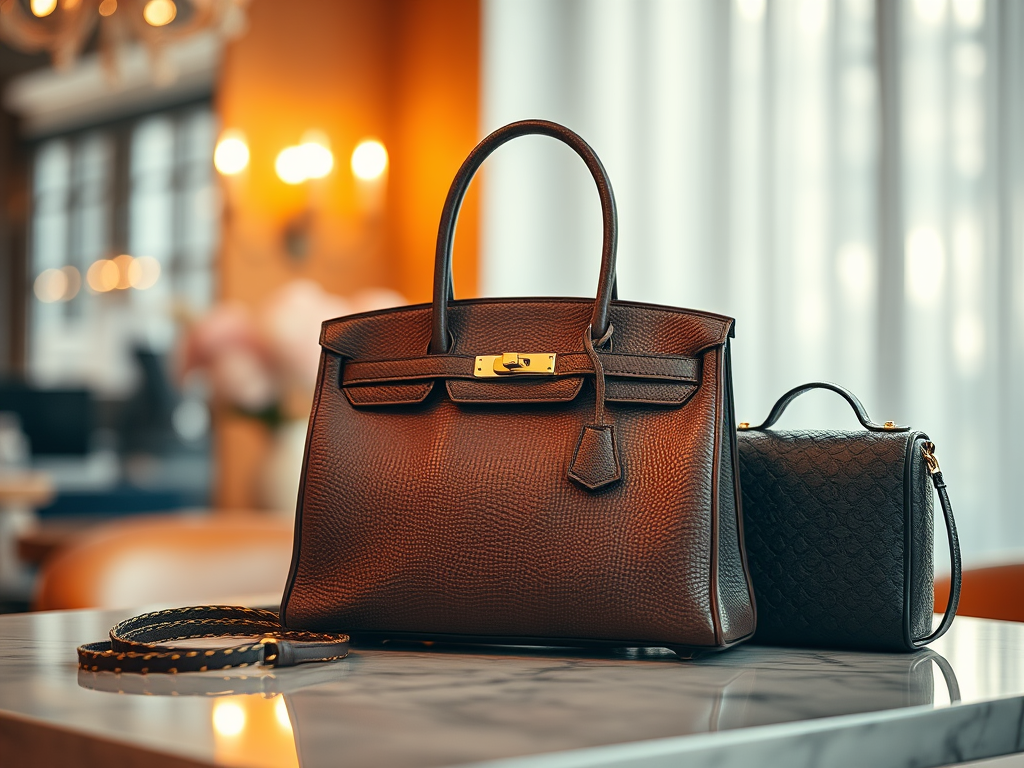
💼Luxury Bags & Social Status: The Power of a Designer Logo
In today’s world of visual-first fashion, owning a luxury bag is no longer just about utility—it’s about status, emotional validation, and a deeper reflection of identity. When you see someone carrying a Hermès Birkin, a Chanel Classic Flap, or a Louis Vuitton Neverfull, it instantly triggers curiosity. Is it real? How much did it cost? Why do people spend thousands on a bag?
This blog dives deep into the psychology of luxury fashion, specifically the emotional and social motivations behind buying expensive designer handbags. We’ll explore status signaling, emotional gratification, social validation, and how marketing reinforces these desires.

Question arrives in mind , when i see people buying luxury bag
- Are designer bags worth the investment?
- Do luxury bags hold resale value?
- What is the psychological reason behind buying expensive handbags?
- Is it smart to buy used designer bags?
- How do people afford expensive designer bags
1. The Psychology Behind Luxury Bags: More Than Just Style
At first glance, a designer bag is simply a fashion item—a practical container for your essentials wrapped in leather and hardware. But beneath the surface, it becomes a psychological artifact, a symbol of success, a social passport, and even a coping mechanism.
Why Do People Buy Expensive Designer Bags?
At the core of every luxury purchase lies a desire for self-expression, belonging, and validation. This psychological process can be broken down into several layers:
- Social Status & Class Signaling
Carrying a luxury bag sends a signal: “I belong to a certain class or aspiration.” In societies where visible wealth is often equated with success, luxury items become status symbols. The brand logo—Chanel’s interlocked C’s or LV’s monogram—is not just decoration; it’s a cultural shorthand for affluence and style. - Emotional Reward & Dopamine Rush
Research shows that luxury shopping activates the brain’s reward system, releasing dopamine and creating feelings of pleasure. This euphoric high can reinforce buying behavior, leading to multiple purchases or upgrades. - Psychological Anchoring of Worth
People often tie their self-worth to their outward presentation. A designer bag, especially one praised or envied, becomes a mirror reflecting that worth. In tough moments, it can become a reminder of achievements or simply serve as a form of emotional armor. - Fear of Missing Out (FOMO)
The rise of Instagram, Pinterest, and TikTok has amplified this effect. Seeing influencers and celebrities flaunting luxury bags triggers FOMO—an emotional driver that motivates people to keep up with trends to avoid being “left out.” - Cultural Identity & Belonging
In some communities, luxury bags are part of a rite of passage or cultural belonging. Gifting a Louis Vuitton bag at a certain life stage (marriage, graduation, promotion) becomes a social ritual. - Delayed Gratification and Personal Achievement
For many, a designer bag isn’t an impulsive buy—it’s the result of months or years of saving. It becomes symbolic of a milestone achieved or a promise fulfilled. This gives the item deeper meaning than just its price tag. - Exclusivity and Perceived Scarcity
Brands like Hermès and Chanel create artificial scarcity, making certain bags hard to get. This increases perceived value and desirability. People are hardwired to want what is rare—owning it creates a sense of privilege.
2. Do Designer Bags Boost Confidence?
Absolutely. A designer handbag can be a confidence catalyst. It may not solve life’s deeper insecurities, but for many, it offers an instant lift. Think of it as wearable confidence—it changes posture, demeanor, and even how people are treated in social situations.
- Workplace Impact: Luxury items subtly convey authority and success.
- Social Circles: They can invite admiration or, conversely, envy.
- Personal Self-Talk: Every time someone uses a cherished bag, it reminds them of their strength, goals, or self-care.

3. Why Do People Buy Expensive Bags?
People buy expensive bags not just for fashion, but for emotional fulfillment, social perception, and personal milestones. Here are common motivations:
- To reward themselves after a personal win
- To fit into elite or aspirational social circles
- To express personal style through iconic branding
- As an investment in timeless fashion
4. Luxury Bags & Social Media Culture
Platforms like Instagram and TikTok have turned luxury bags into digital trophies. They dominate “What’s in my bag” videos, luxury haul posts, and aesthetic outfit breakdowns. Brands that once relied on runway shows now gain traction through influencer marketing, unboxing reels, and hashtag virality.
Influencer Effect: Influencers shape trends, drive mass desire, and often create aspirational pressure. Seeing repeated luxury imagery online normalizes high-end purchases even in middle-income groups.
7. Luxury Taxes, Duties & How Some Buyers Minimize Costs
When purchasing luxury bags, many people overlook the government-imposed taxes and duties that add significantly to the final cost. These can vary depending on country and import/export laws:
Common Taxes on Luxury Goods:
- Sales Tax/VAT (Value Added Tax): Typically 5–20% depending on the country.
- Import Duties: Applied when buying luxury bags from international retailers.
- Luxury Goods Tax: In some countries, luxury items face additional taxes for being considered non-essential.
Example:
- In the U.S., buying a Chanel bag in New York may add 8.875% sales tax.
- In Europe, VAT can range from 19–25%.
- Importing into Asia or Australia may add both VAT and luxury tariffs.
How Do People Save on These Taxes?
- Duty-Free Shopping: Many travelers purchase bags from airport duty-free boutiques, where taxes are exempt or lower.
- Global Refund Services: Tourists shopping in Europe can claim a VAT refund when they leave the EU, saving up to 20%.
- Resale Market: Purchasing pre-owned luxury bags from authenticated resellers avoids import fees and sometimes includes tax savings.
- Buying from Tax-Friendly Locations: For example, shopping in Dubai or Hong Kong, where import taxes are low or non-existent.
- As Gifts from Abroad: Some buyers ask friends or relatives to bring luxury items from countries where the taxes are lower.
- Corporate Purchasing Loopholes (less common): High-net-worth individuals sometimes purchase luxury items through business accounts when legally allowed.
Ethical & Legal Considerations
While some strategies are perfectly legal, intentionally avoiding taxes through false declarations or smuggling is illegal. Always ensure your method complies with the law.

6. Top Luxury Bag Brands That Drive This Desire
- Hermès – Birkin, Kelly
- Chanel – Classic Flap, Boy Bag
- Louis Vuitton – Neverfull, Speedy, Twist
- Dior – Lady Dior, Saddle Bag
- Gucci – Marmont, Jackie
- Prada – Galleria, Cleo
- Saint Laurent (YSL) – Kate, Sac de Jour
- Balenciaga – City Bag, Le Cagole
- Bottega Veneta – Cassette, Jodie
- Fendi – Baguette, Peekaboo
- Valentino – Roman Stud, VLogo Signature
- Celine – Luggage, Classic Box
- Givenchy – Antigona
- Loewe – Puzzle Bag
- Alexander McQueen – The Story Bag
- Burberry – TB Bag
- JW Anderson – Chain Cap
- Tom Ford – Natalia
- Carolina Herrera – Initials Insignia
- Moynat – Rejane
Conclusion
Luxury bags are more than fashion accessories—they’re layered with meaning. They represent success, ambition, and self-expression. While the price tags are high, the emotional and psychological rewards they offer—from confidence to a sense of belonging—often justify the cost for those who buy them.
If you’ve ever wondered why people spend a fortune on bags, remember: it’s not always about the leather. It’s about identity, perception, and the power of the brand story we buy into.
- Categories:
- Lifestyle
- Uncategorized